Meat Temperature Chart
The Ultimate Meat Temperature Chart (Free Printable)
Cooking meat to the perfect temperature is essential for flavor, tenderness, and most importantly—safety. Overcooked meat can be dry and tough, while undercooked meat may harbor harmful bacteria. Whether you’re roasting a holiday ham, grilling steaks, or preparing a weeknight chicken dinner, knowing the USDA-recommended internal temperatures ensures your meals are both delicious and safe.
To make things even easier, we’ve created a free printable meat temperature chart you can keep in your kitchen. Pin it to your fridge or keep it in your recipe binder—it’s a handy guide you’ll reach for again and again.
Download Your Free Meat Temperature Chart Here
Why Meat Temperatures Matter
Food safety is always the top priority in the kitchen. According to the USDA, using a digital instant-read thermometer is the most reliable way to check meat doneness. While color and texture can be helpful clues, they aren’t foolproof. A thermometer removes the guesswork, ensuring every bite is safe and perfectly cooked.
Additionally, resting meat after cooking is just as important. Resting allows juices to redistribute, making your meat tender and juicy instead of dry and stringy.

Poultry: Chicken, Turkey, and More
Poultry is notorious for needing to reach the proper temperature to avoid salmonella. There’s no “rare” option here—poultry should always be fully cooked.
- Whole Chicken or Turkey: 165°F
- Chicken Breasts: 165°F
- Chicken Thighs and Legs: 175°F for juicier results
- Ground Poultry (chicken, turkey): 165°F

Pro Tip: When roasting a whole bird, insert the thermometer into the thickest part of the thigh without touching the bone. Let the bird rest for 10–15 minutes before carving.
If you love easy poultry recipes, check out these favorites:

Beef, Lamb, and Pork
These meats are versatile, and doneness can be tailored to your taste. Always follow safe cooking guidelines, but remember that some meats like steaks and lamb can be enjoyed at medium-rare if rested properly.
Beef & Lamb (Steaks, Roasts, Chops)
- Rare: 120–125°F (cool red center)
- Medium Rare: 130–135°F (warm red center)
- Medium: 140–145°F (pink center)
- Medium Well: 150–155°F (slightly pink)
- Well Done: 160°F+ (no pink)
Tip: Rest steaks and roasts for 5–10 minutes before slicing to allow juices to redistribute.
Pork (Chops, Roasts, Tenderloin)
- Fresh pork (uncooked): 145°F + 3-minute rest
- Ground pork: 160°F
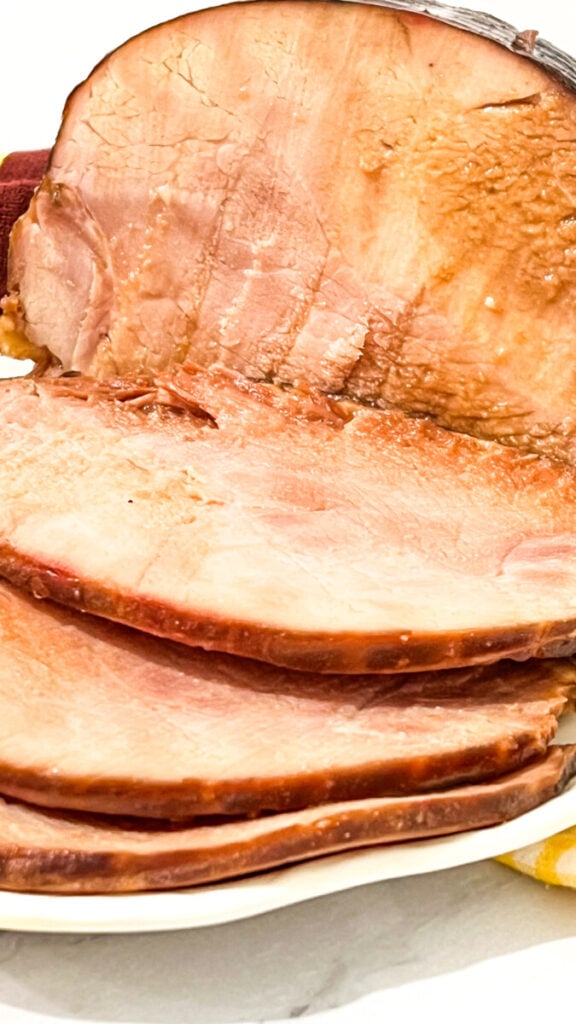
- Pre-cooked ham (to reheat): 140°F
- Fresh ham (raw): 145°F + 3-minute rest
Pork can be incredibly juicy if cooked to 145°F and rested. Avoid overcooking for the best flavor.
Check out my What Temperature to Cook Ham post for a full guide on cooking ham perfectly for holidays or weeknight dinners.
Fish & Shellfish
Seafood cooks quickly, so it’s easy to overdo it. Always use a thermometer for precise results.
- Fish fillets & steaks: 145°F (flesh opaque, flakes easily with a fork)
- Shrimp, lobster, crab: Flesh pearly and opaque
- Scallops: Cook until firm and opaque
Pro Tip: Serve immediately to enjoy seafood at its best.

Ground Meat
Ground meats need extra caution since bacteria can be distributed throughout during processing.
- Ground Beef, Veal, Lamb: 160°F
- Ground Pork: 160°F
- Ground Poultry: 165°F
For a delicious weeknight meal, try Taco Ramen using ground beef or turkey for a family-friendly dinner.

Cooking Tips & Tricks for Perfect Meat
- Use a digital thermometer: Instant-read thermometers are the most accurate and convenient.
- Insert correctly: Place the thermometer in the thickest part, away from bone or fat.
- Rest meat: Always allow meat to rest—3–10 minutes depending on the cut—to retain juices.
- Don’t rely on color alone: Internal temperature is the only foolproof way to know meat is safe.
- Consider carryover cooking: Some meats continue cooking a few degrees after removing from heat.
Free Printable Meat Temperature Chart
Keep this printable chart in your kitchen for quick reference while cooking. It’s perfect for grilling season, holiday roasts, or everyday dinners.
| Meat Type | Temp | Notes |
|---|---|---|
| Poultry (whole) | 165°F | Rest 10–15 min |
| Poultry (ground) | 165°F | – |
| Beef (steaks/roasts) | 120–160°F | Depends on doneness |
| Pork (chops/roasts) | 145°F | Rest 3 min |
| Ground beef/pork | 160°F | – |
| Fish | 145°F | Flesh opaque & flakes |
| Shellfish | Cook until opaque/pearly | – |
FAQs About Meat Temperatures
Q: Can I cook chicken at a lower temperature?
A: No—poultry must reach 165°F to ensure safety.
Q: How do I know if my steak is done without a thermometer?
A: While the touch test can give you a rough idea, a thermometer is the only accurate way to ensure safe and desired doneness.
Q: How long should I rest meat after cooking?
A: Most meats benefit from 3–10 minutes of resting. Large roasts and whole poultry should rest closer to 10–15 minutes.
Q: Can I use the same chart for smoked or grilled meat?
A: Absolutely! The internal temperature guidelines remain the same, regardless of cooking method.

Final Thoughts
Cooking meat safely doesn’t have to be stressful. With this Meat Temperature Chart and a digital thermometer, you can confidently prepare any protein—from weeknight chicken dinners to holiday hams and steaks. Remember to rest your meat, check temperatures carefully, and keep your printable chart handy.
For more detailed guides, check out:
Enjoy perfectly cooked, juicy, and safe meals every time!