How to Grow Zucchini
How to Grow Zucchini: A Complete Guide for Your Backyard Garden
Zucchini is one of the easiest and most rewarding vegetables to grow in your backyard garden. Whether you’re a beginner or an experienced gardener, homegrown zucchini is fresh, flavorful, and perfect for a variety of dishes.

In this guide, I’ll share how I grew zucchini from seed in my raised bed garden and all the tips you need for success.
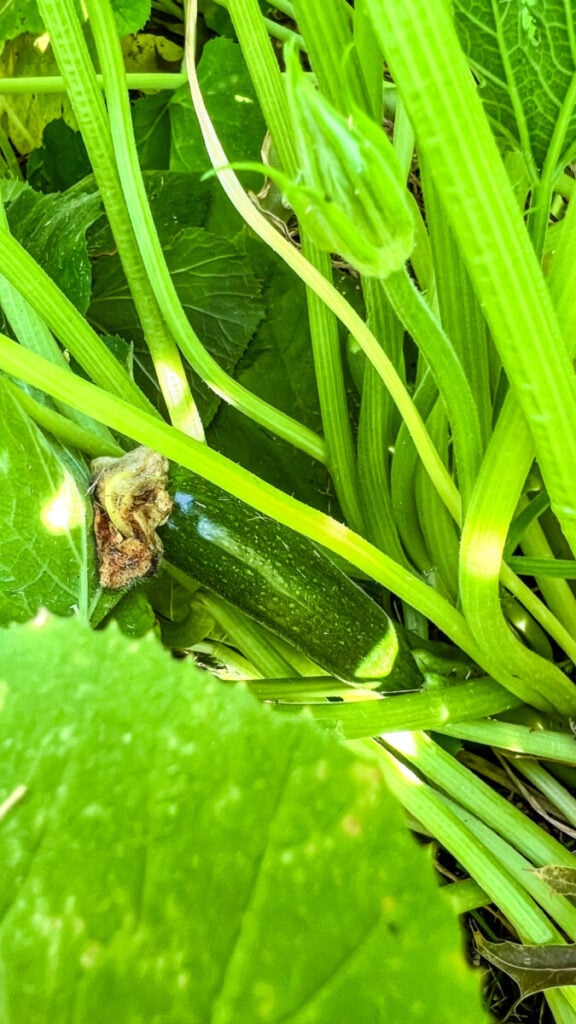
Why Grow Zucchini at Home?
Growing zucchini in your backyard comes with many benefits:
- Fresh and organic: You control exactly what goes into your plants.
- Abundant harvests: Zucchini plants are prolific and produce continuously throughout the season.
- Easy to grow: Perfect for beginners with minimal maintenance.
- Versatile in the kitchen: From sautéed zucchini to baked goods, the possibilities are endless.
Check out my post on growing tomatoes from seed for another garden favorite.

What You’ll Need to Grow Zucchini
Equipment and Materials
- Raised bed or garden plot with good drainage
- Quality garden soil or compost-enriched soil
- Mulch (optional, for moisture retention)
- Watering can or hose
- Garden trowel or hand shovel
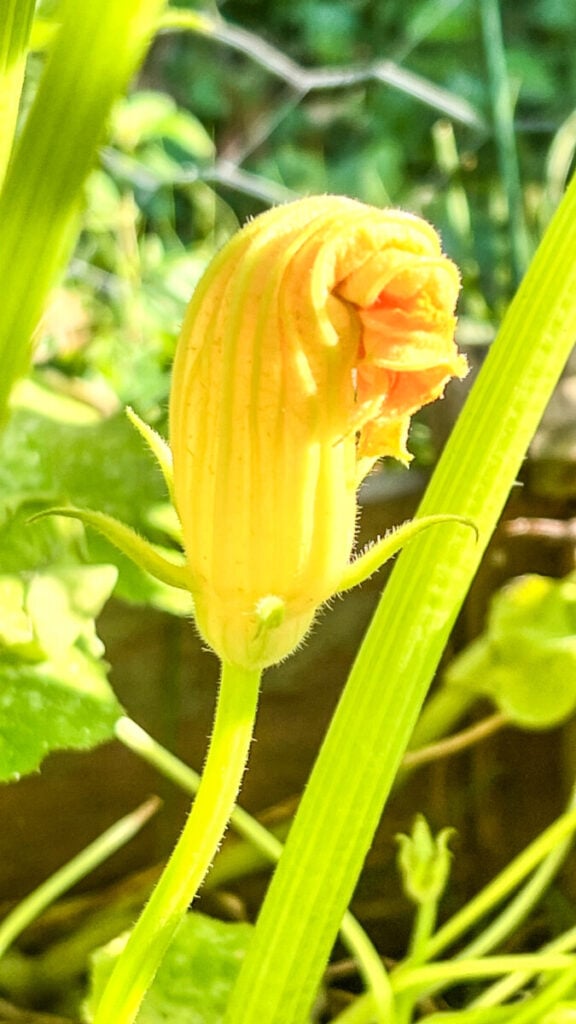
Seeds
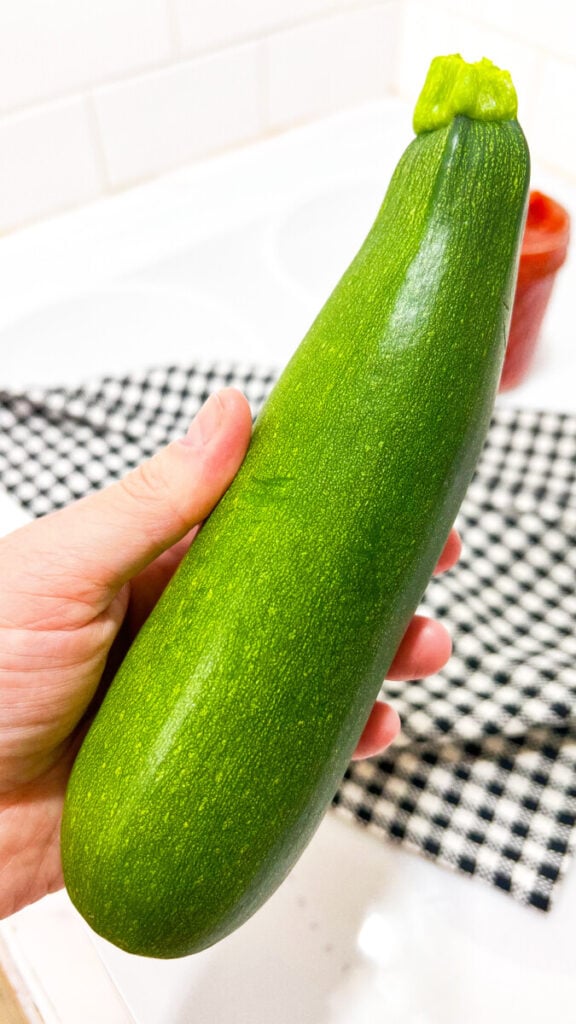
Choose high-quality zucchini seeds from a reliable seed supplier. I recommend starting with classic green zucchini varieties, but yellow and striped types are also fun to try.
Step-by-Step Guide to Growing Zucchini from Seed
1. Choose the Right Location
Zucchini thrives in full sun (at least 6-8 hours of direct sunlight per day). Make sure your raised bed or garden plot has good drainage to prevent root rot.
2. Prepare the Soil
- Loosen the soil in your raised bed to a depth of 12-18 inches.
- Mix in compost or organic fertilizer to enrich the soil.
- Zucchini prefers slightly acidic to neutral soil with a pH between 6.0 and 7.5.
3. Plant the Seeds
- Plant zucchini seeds 1 inch deep and 18-24 inches apart to give plants plenty of room to grow.
- Water lightly after planting.
- You can start seeds indoors 2-4 weeks before the last frost for an earlier harvest.
4. Watering and Care
- Keep the soil consistently moist but not waterlogged.
- Water at the base of the plant to avoid wetting leaves, which can lead to disease.
- Mulching around the plant helps retain moisture and suppress weeds.
5. Fertilizing Your Zucchini
- Zucchini is a heavy feeder. Apply balanced fertilizer (such as 10-10-10) when plants start to flower.
- Side-dress with compost or organic fertilizer every 3-4 weeks for continuous growth.
6. Pest and Disease Management
Common zucchini pests and issues include:
- Squash bugs: Remove manually or use insecticidal soap.
- Powdery mildew: Avoid overhead watering and ensure good air circulation.
- Aphids: Spray with water or use neem oil.
Tip: Regularly check under leaves for pests and remove damaged leaves promptly.

7. Harvesting Zucchini
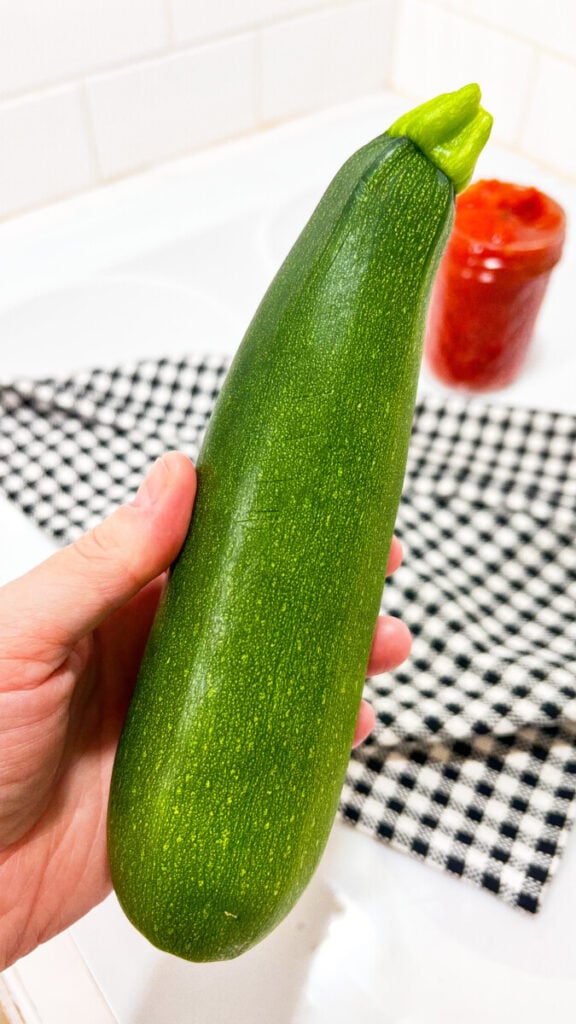
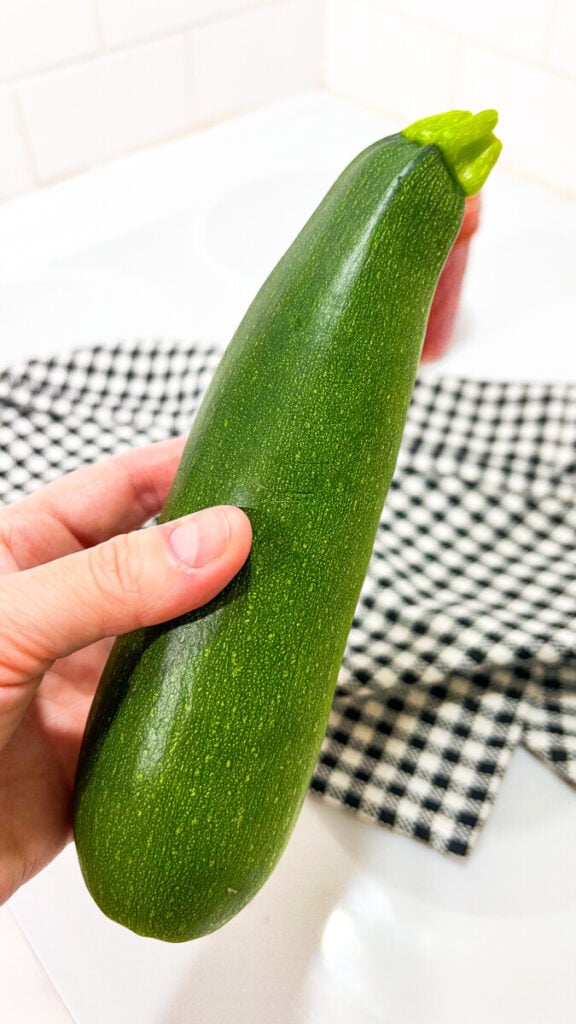
- Zucchini is best harvested when 6-8 inches long for tender texture.
- Pick zucchini regularly to encourage continuous production.
- Use a sharp knife or garden scissors to avoid damaging the plant.
8. Storing Your Harvest
- Store zucchini in a plastic bag in the refrigerator for up to 1 week.
- For long-term storage, zucchini can be frozen after blanching.

Delicious Ways to Use Your Homegrown Zucchini
Fresh zucchini can be used in countless recipes:
- Sautéed zucchini with garlic and olive oil
- Zucchini bread or muffins
- Zucchini noodles as a pasta substitute
- Grilled zucchini for summer barbecues
Check out my Fried zucchini recipe for a simple and tasty treat!

Tips for Zucchini Gardening Success
- Start seeds indoors if you want an early harvest.
- Avoid overcrowding plants to reduce disease risk.
- Regularly water and fertilize for maximum yields.
- Harvest frequently to keep plants productive.
FAQ About Growing Zucchini
Q: How long does it take for zucchini to grow?
A: Zucchini typically takes 45-55 days from planting to harvest, depending on the variety.
Q: Can zucchini grow in containers?
A: Yes! Choose a large container (at least 5 gallons) and ensure good drainage.
Q: Why is my zucchini plant not producing?
A: Possible reasons include lack of pollinators, too much nitrogen, or overcrowding. Hand-pollinating flowers can help.
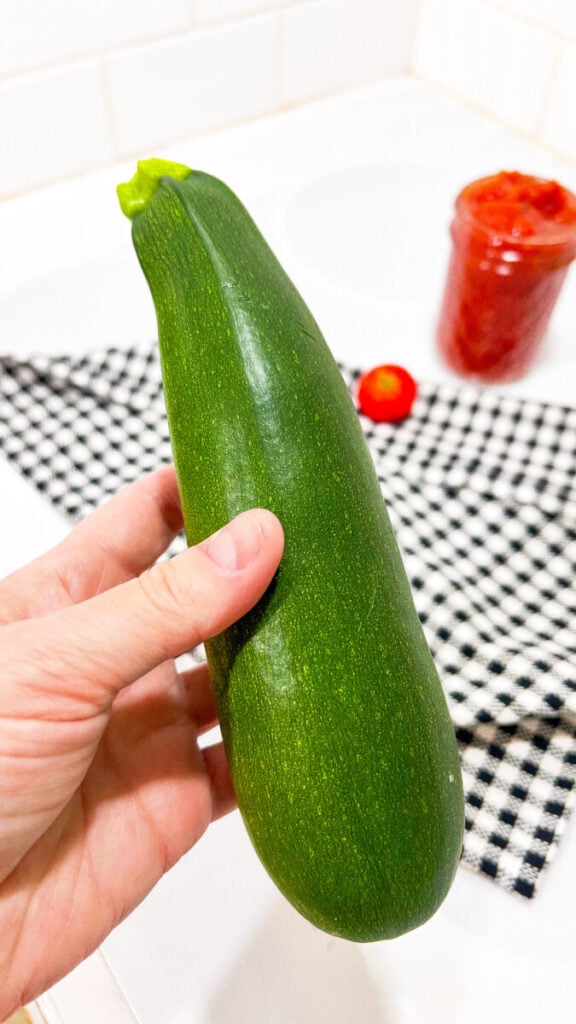
Growing zucchini in a raised bed is simple, fun, and highly rewarding. With proper soil, sunlight, and care, you’ll enjoy fresh, flavorful zucchini all season long.

There’s nothing like picking vegetables straight from your garden and using them in your favorite recipes!