How to Cook Pasta Perfectly
How to Cook Pasta Perfectly (Every Time!)
Cooking pasta seems simple, but if you’ve ever ended up with mushy noodles or pasta stuck together in clumps, you know it can be trickier than it looks. Whether you’re making spaghetti for a cozy family dinner or rigatoni for your favorite baked pasta dish, learning how to cook pasta perfectly will make every recipe taste better.

In this guide, I’ll share step-by-step instructions, tips for avoiding common mistakes, and a breakdown of the most popular types of pasta so you know which shape works best for each meal.
Step 1: Use Plenty of Water
The golden rule of pasta cooking is: use a large pot and lots of water. For every pound of pasta, you’ll need at least 4–6 quarts of water. This prevents the pasta from sticking together and helps it cook evenly.
Pro tip: Add 1–2 tablespoons of salt once the water is boiling. This seasons the pasta from the inside out and makes it more flavorful.
Step 2: Stir, Don’t Just Walk Away
Once you add your pasta to the boiling water, stir it immediately and then again every couple of minutes. This is especially important for starchy shapes like spaghetti or fettuccine, which love to clump.
Step 3: Follow the Package… and Taste Test
Every pasta box has a recommended cooking time, usually ranging from 8–12 minutes. Start checking 2 minutes before the time is up. The best way to know? Bite into it! Pasta should be al dente — tender but still with a little bite.
If you’re finishing your pasta in sauce (like tossing penne in marinara or spaghetti in Alfredo), undercook it by 1 minute. It will finish cooking as it absorbs the sauce.
Step 4: Don’t Drain All the Pasta Water
This is one of the biggest secrets to restaurant-quality pasta. Before draining, scoop out 1 cup of the starchy cooking water and set it aside. That water is liquid gold! Stirring a splash into your sauce helps it stick to the pasta and gives it a silky texture.

Step 5: Toss Pasta with the Sauce Immediately
Never let pasta sit in a colander for more than a minute. It will start to stick together and dry out. Instead, toss it directly into your warmed sauce and let the flavors blend.
Popular Types of Pasta (and How to Use Them)
Pasta isn’t one-size-fits-all. The shape you choose actually matters! Different pasta shapes are designed to hold onto sauce in unique ways. Here are some of the most common types:
1. Spaghetti
Thin, round, and classic — spaghetti is perfect for lighter sauces like tomato marinara, garlic and olive oil, or carbonara. It’s also the most popular pasta shape for meatballs.
2. Fettuccine
Flat ribbons of pasta, wider than spaghetti. Fettuccine is ideal for creamy sauces like Alfredo because the wide surface holds onto rich, thick sauces.
3. Penne
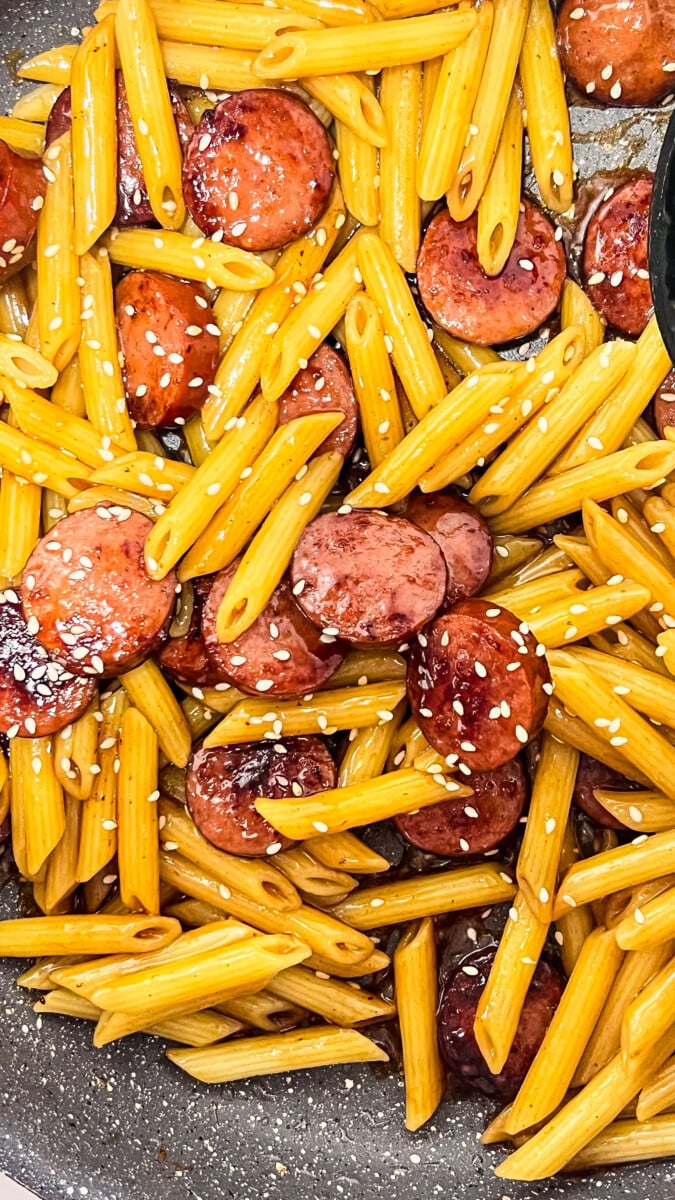
Short tubes cut at an angle. The hollow center makes penne excellent for catching chunky sauces, like vodka sauce or meat-based ragùs.
4. Rigatoni
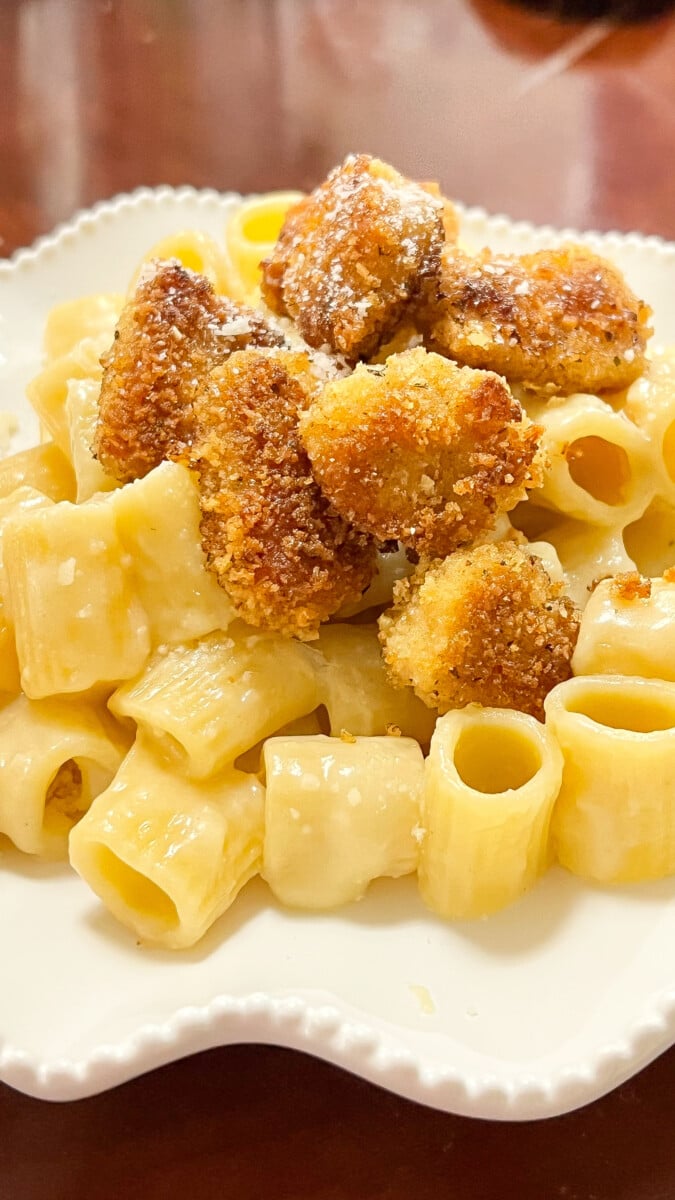
Bigger tubes with ridges, perfect for baked pasta dishes. The ridges hold thick sauces and melted cheese beautifully, making rigatoni a must for baked ziti or hearty casseroles.
5. Macaroni
Small elbow-shaped pasta, most famous for macaroni and cheese. Macaroni also works well in soups and cold pasta salads.
6. Farfalle (Bowties)
Shaped like little bow ties, farfalle is playful and great for lighter, creamy sauces or pasta salads.
7. Rotini (Spirals)
The twists in rotini catch every bit of sauce, making it perfect for pesto, vinaigrette-based pasta salads, or any thick sauce that clings.
8. Lasagna Noodles
Flat, wide sheets of pasta used for layering. They can be boiled or baked directly depending on the recipe.
Common Pasta Mistakes to Avoid
- Adding oil to the water: Many people think this keeps pasta from sticking, but it actually makes the noodles slippery and prevents sauce from clinging. Just stir instead!
- Overcooking: Mushy pasta loses its texture and flavor. Always check early and aim for al dente.
- Not salting the water: Skipping this step makes pasta bland. Think of it like seasoning your food from the inside.
- Rinsing pasta after cooking: Unless you’re making a cold pasta salad, don’t rinse! Rinsing washes away the starch that helps sauce stick.
Delicious Pasta Recipes to Try
Now that you know how to cook pasta perfectly, try it in these comforting recipes from my site:
Each one is a family favorite and perfect for weeknight dinners.
Cooking pasta is all about the little details — plenty of water, proper seasoning, and knowing when to stop cooking. Once you master the basics and understand the different types of pasta, you’ll be able to pair each shape with the perfect sauce and create restaurant-quality meals at home.
Next time you boil a pot of spaghetti or toss together a baked rigatoni, you’ll know exactly how to get pasta that’s tender, flavorful, and absolutely perfect every time.