How to Wash Strawberries
How to Wash Strawberries (The Best Way to Keep Them Fresh Longer)
Fresh strawberries are one of my favorite fruits, but they can spoil surprisingly fast if they aren’t cleaned and stored properly. Learning how to wash strawberries the right way not only removes dirt and debris but can also help extend their freshness so you can enjoy them for several more days.
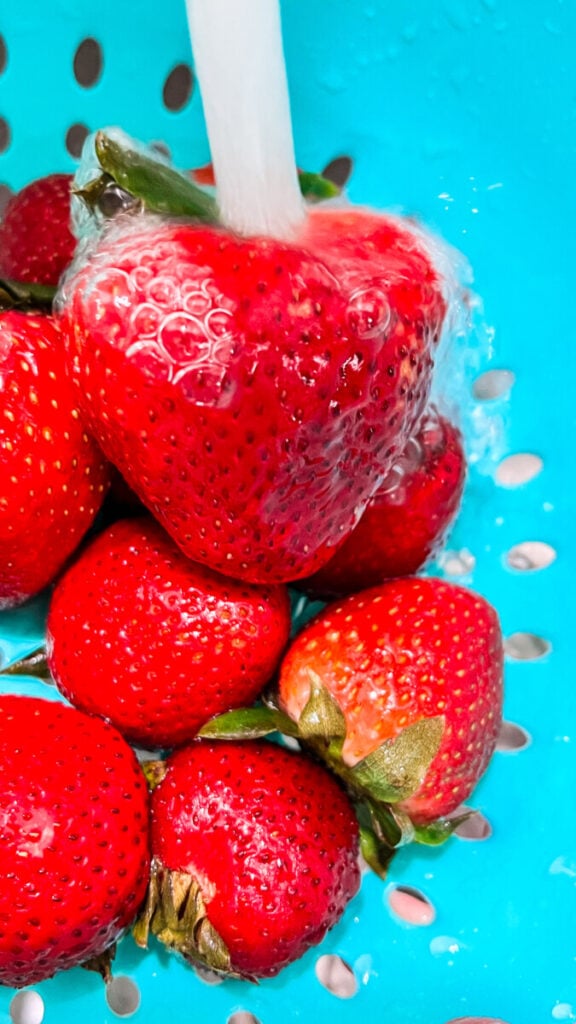
Whether you’re preparing strawberries for snacking, baking, smoothies, fruit salads, or desserts, this simple method will leave your berries clean, fresh, and ready to enjoy.
In this guide, I’ll show you my favorite way to wash strawberries, how to dry them properly, and the best way to store them so they stay delicious as long as possible.
Why You’ll Love This Method
- Quick and easy
- Removes dirt and residue
- Helps strawberries stay fresh longer
- Perfect before baking or snacking
- Only two ingredients needed
- Beginner friendly
- Great for meal prep
Jennie’s Thoughts
Strawberries are one of my favorite ingredients to bake with, especially during the spring and summer months. Since I use them in everything from strawberry pies to cheesecakes and shortcakes, I usually buy several containers at a time.
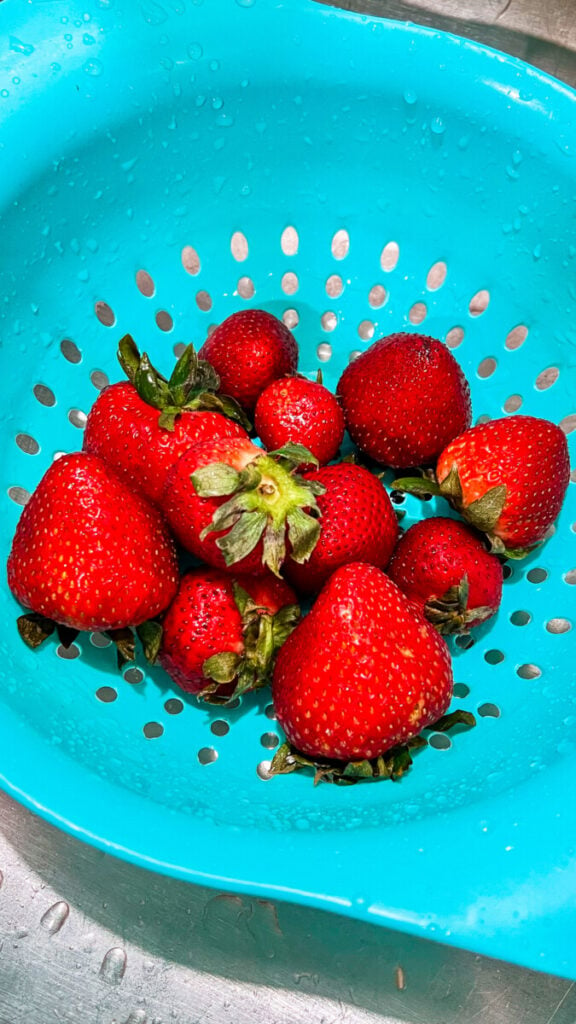
I’ve found that giving them a quick vinegar wash and drying them thoroughly helps keep them fresher so I can enjoy them throughout the week. The most important step isn’t actually washing them—it’s making sure they’re completely dry before storing them.
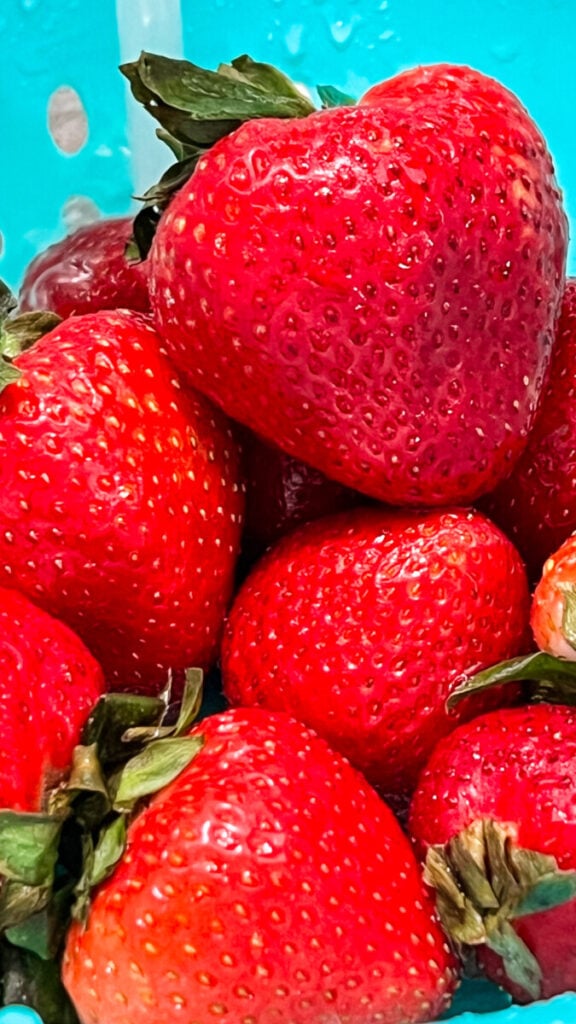
Strawberry Wash Recipe
Ingredients
- 4 cups cold water
- 1 cup white vinegar
- Fresh strawberries
Instructions
- Fill a large bowl with the cold water and white vinegar.
- Add the strawberries and gently stir.
- Soak for about 5 minutes.
- Drain well.
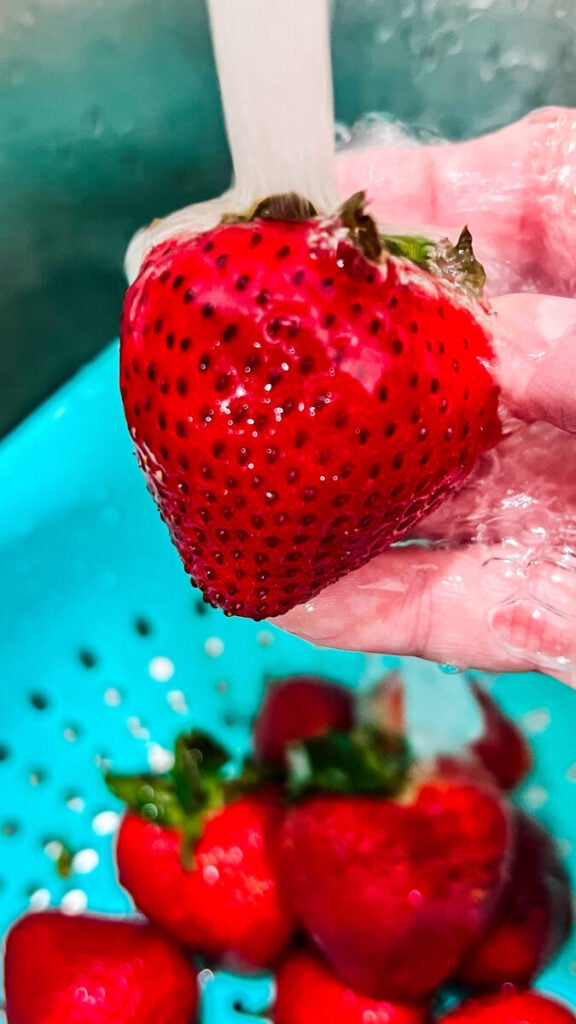
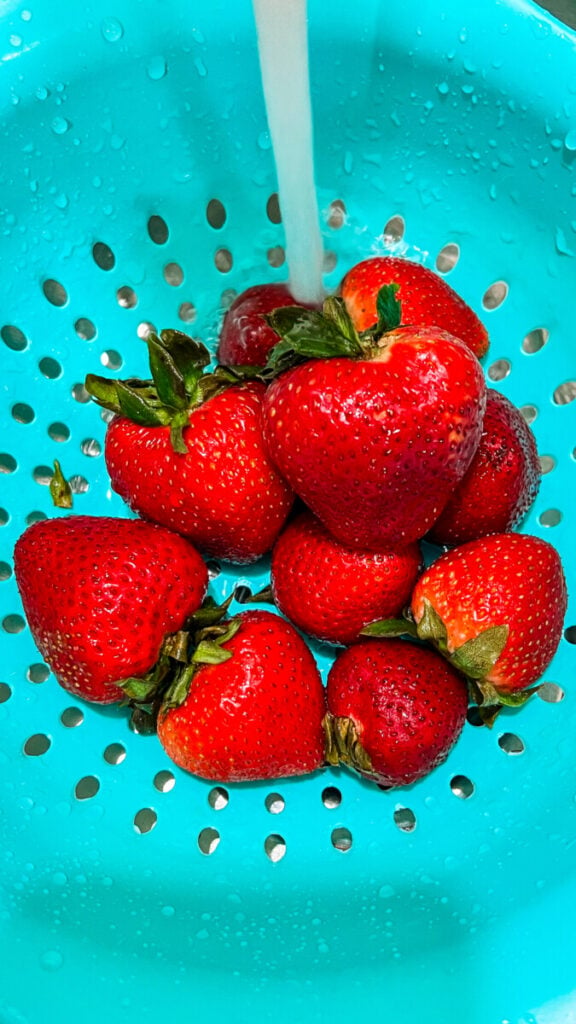
- Rinse thoroughly under cool running water.
- Spread the strawberries onto clean towels.
- Pat completely dry.
- Store in a paper towel-lined container in the refrigerator.
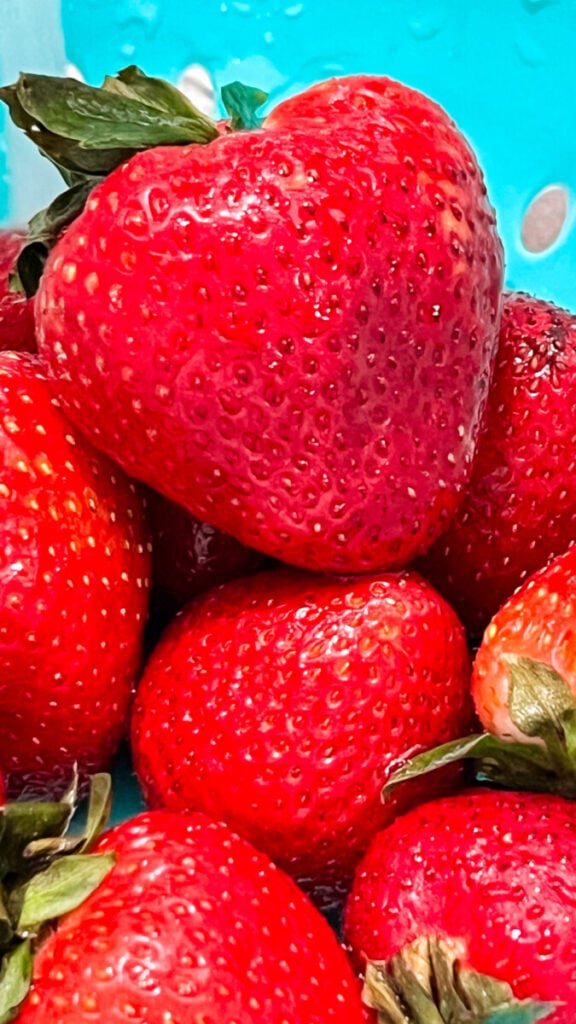
Why Use Vinegar?
White vinegar helps loosen dirt and residue while reducing mold spores that naturally occur on fresh berries. Once rinsed, your strawberries won’t taste like vinegar at all.
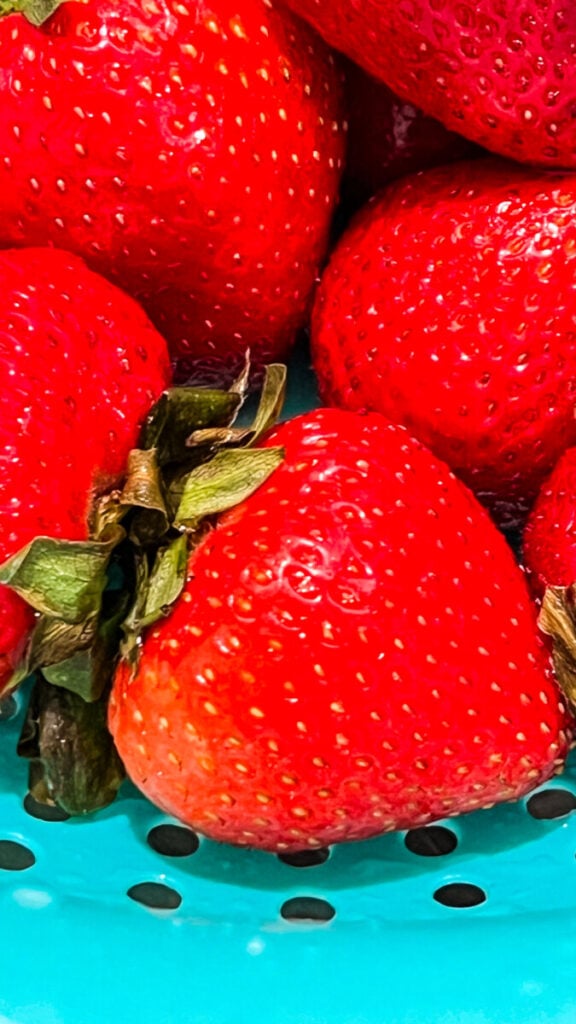
Should You Wash Strawberries Before Storing?
It depends.
If you’re planning to eat them within a day or two, washing them right before eating works perfectly.
If you buy strawberries in bulk, washing, drying, and storing them properly can help them last several extra days.
The key is making sure they’re completely dry before refrigerating.
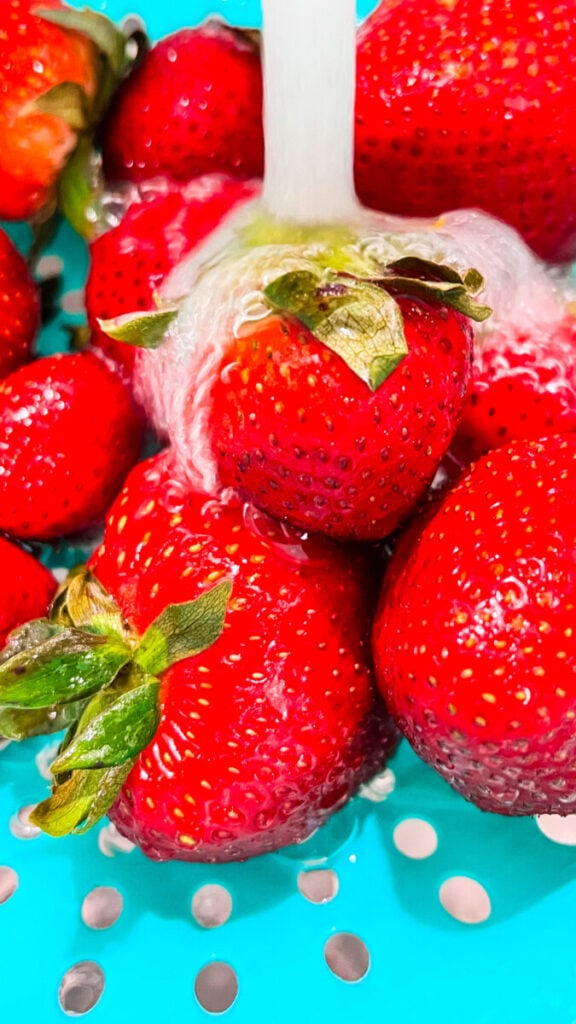
How to Store Strawberries
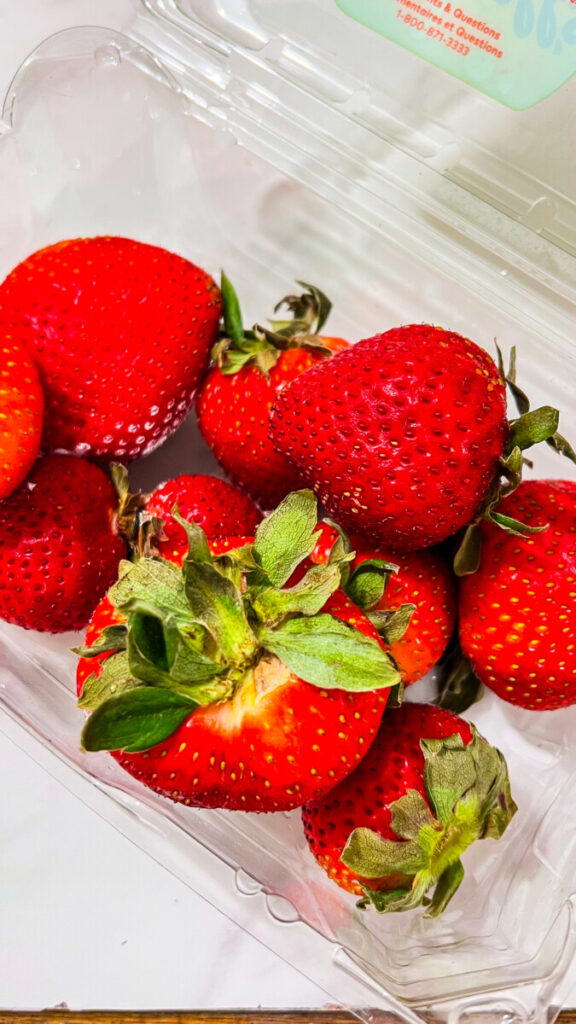
- Remove damaged berries.
- Line a container with paper towels.
- Arrange strawberries in a single layer when possible.
- Leave the stems attached until you’re ready to eat them.
- Refrigerate immediately.
Common Mistakes
- Washing with hot water.
- Leaving berries soaking too long.
- Storing wet strawberries.
- Removing the stems before washing.
- Using airtight containers without paper towels.
Frequently Asked Questions
Can I use baking soda instead of vinegar?
Yes. Baking soda is another popular option for cleaning produce, although I usually prefer the vinegar method because it’s simple and effective.
Will strawberries taste like vinegar?
No. After rinsing with fresh water, there is no noticeable vinegar flavor.
How long do washed strawberries last?
Properly washed, dried, and refrigerated strawberries often stay fresh for several days, although freshness depends on how ripe they were when purchased.
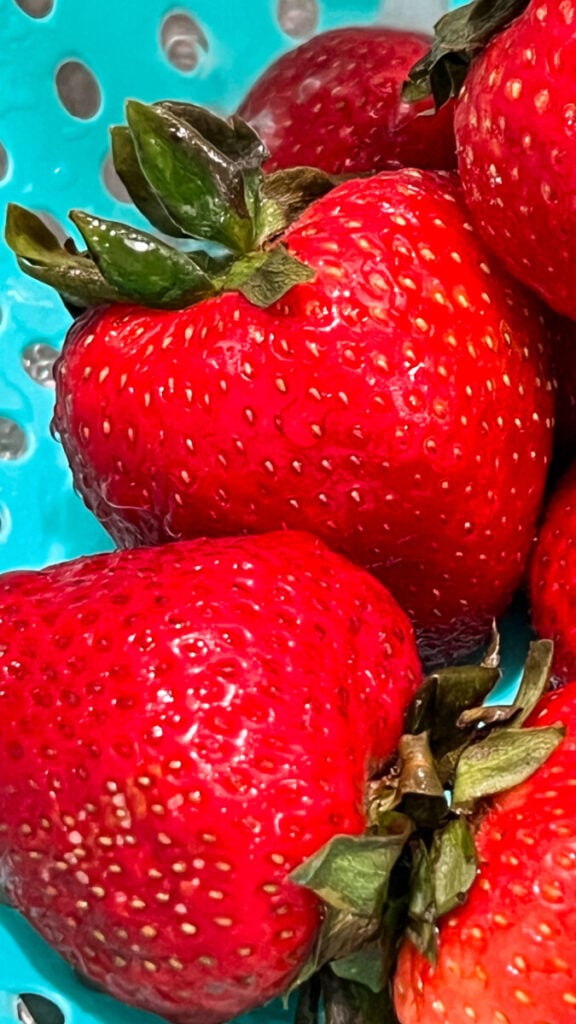
More Strawberry Recipes You’ll Love
Once your strawberries are washed and ready to use, try one of these delicious recipes:
- Strawberry Pie
- Strawberry Shortcake
- Strawberry Pretzel Cheesecake
- Strawberry Brownies
- Strawberry Mousse
- Strawberry Chocolate Yogurt Clusters
- Brazilian Lemonade with Strawberries
- 50+ Strawberry Recipes
One of the best things about taking a few extra minutes to properly wash and dry your strawberries is how much more enjoyable they are to use throughout the week. Whether you’re making a fresh fruit salad, blending a smoothie, baking a homemade strawberry pie, or simply grabbing a healthy snack, having clean, ready-to-eat strawberries in the refrigerator makes meal prep easier and helps reduce food waste.