Common Culinary Herbs: A Beginner’s Guide to Cooking With Fresh Herbs
Common Culinary Herbs: A Beginner’s Guide to Cooking With Fresh Herbs
If you want to become a better home cook, learning how to use common culinary herbs is one of the easiest places to start. Fresh herbs can completely change a dish, adding freshness, fragrance, color, and flavor without making a recipe more complicated.
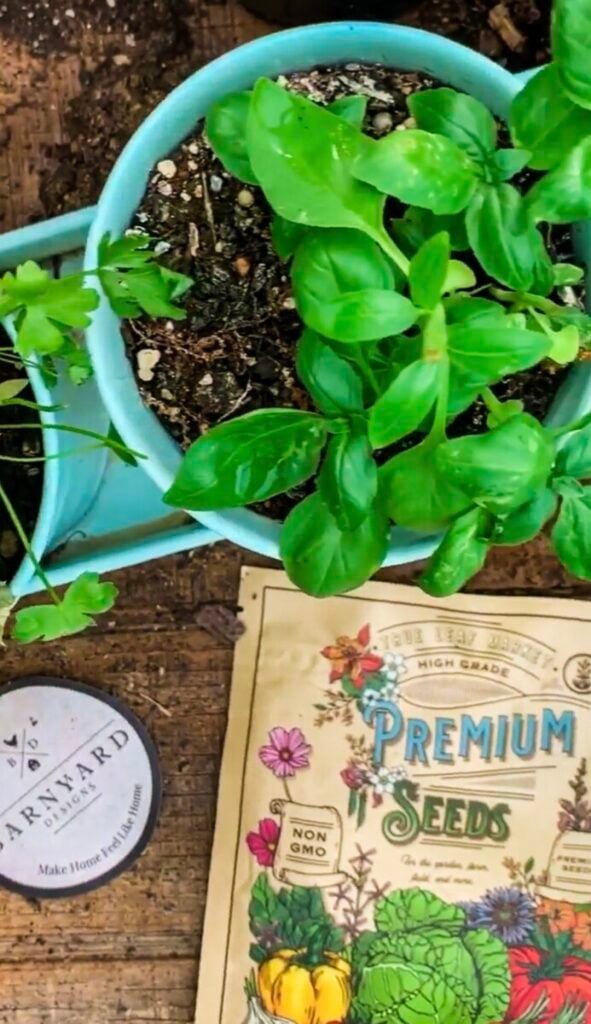
From fresh basil scattered over pasta to rosemary roasted with potatoes and mint added to drinks and desserts, culinary herbs are some of the hardest-working ingredients in the kitchen.
But if you’ve ever stood in front of all those little bundles of herbs at the grocery store wondering what you’re actually supposed to do with them, you’re not alone.
This guide covers some of the most common culinary herbs for home cooks, what they taste like, what foods they pair with, and how to start using them in everyday recipes.
What Are Culinary Herbs?
Culinary herbs are the flavorful leaves of plants that are used to season food and drinks.
Some are delicate and best added toward the end of cooking, while others are sturdy enough to withstand long roasting, simmering, and braising.
Herbs can be used fresh or dried, although the flavor and intensity can be quite different.
Learning those differences is one of the secrets to becoming more confident in the kitchen.
The Most Common Culinary Herbs
There are dozens of herbs used in cuisines around the world, but home cooks don’t need to master all of them at once.
Some of the most useful culinary herbs include:
- Basil
- Rosemary
- Mint
- Parsley
- Thyme
- Oregano
- Cilantro
- Dill
- Sage
- Chives
- Tarragon
- Bay leaves
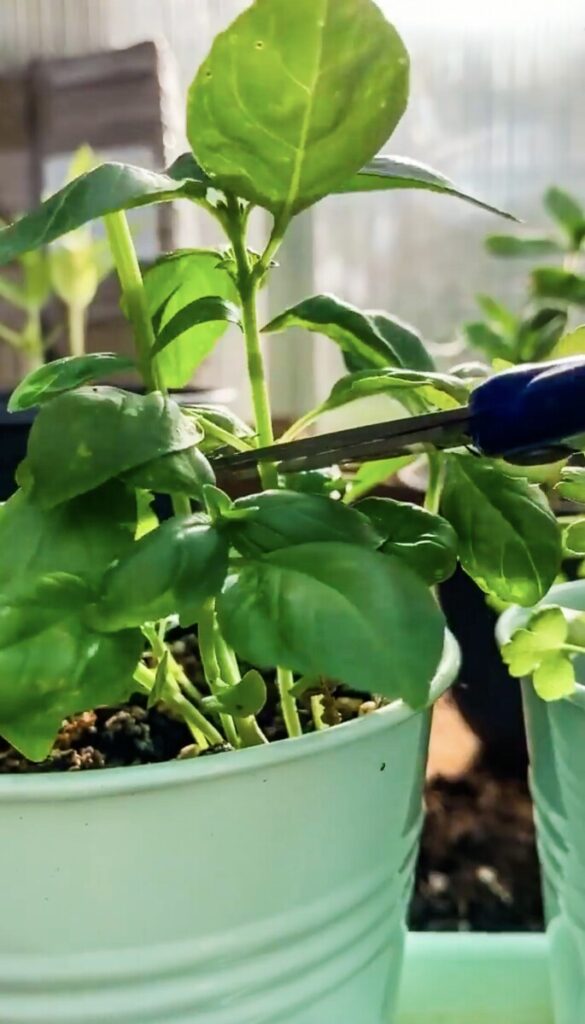
If you’re just learning to cook with herbs, basil, rosemary, and mint are three wonderful herbs to start with because they demonstrate just how different herbs can be.
Basil
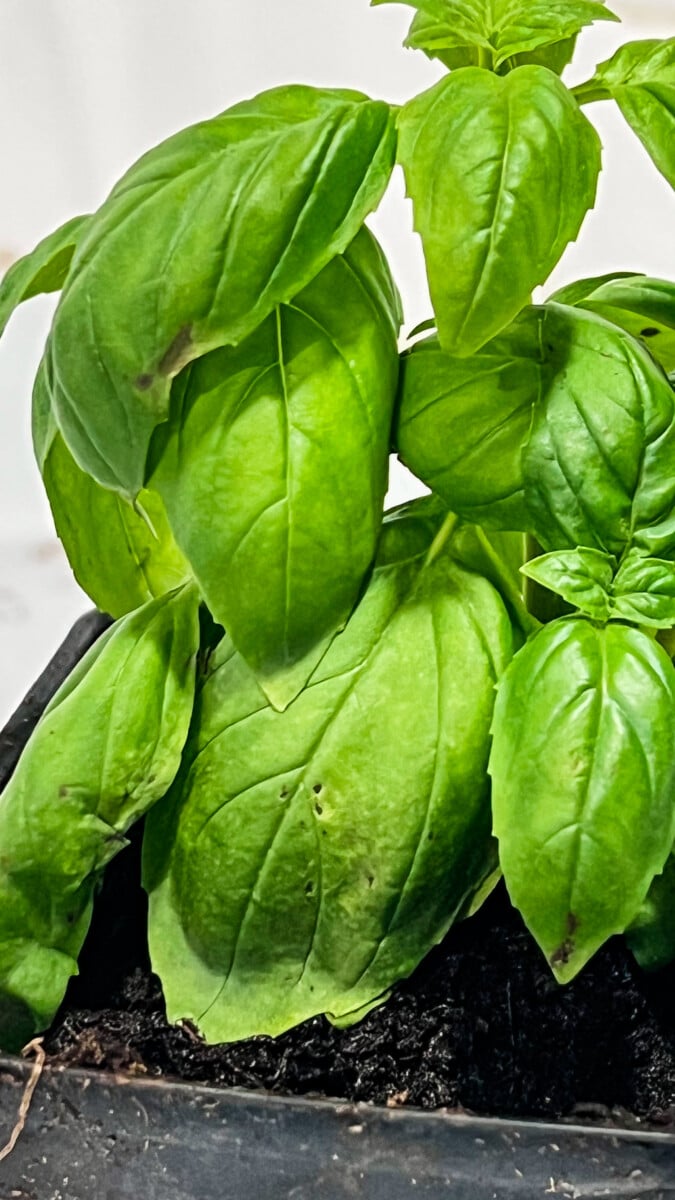
Basil is one of the most recognizable culinary herbs, particularly in Italian and Mediterranean-inspired cooking.
Fresh basil has a fragrant, slightly sweet flavor with subtle peppery notes.
It pairs beautifully with tomatoes, mozzarella, garlic, olive oil, pasta, pizza, chicken, vegetables, strawberries, and many other ingredients.
Use fresh basil for pesto, Caprese salad, tomato sauce, pasta, pizza, sandwiches, salads, soups, and garnishes.
Because fresh basil is delicate, it’s often best added near the end of cooking.
Read my complete guide to Basil: How to Use Basil in Cooking for more ideas.
Rosemary
Rosemary is much stronger and woodier than basil.
It has an unmistakably fragrant, pine-like flavor that works particularly well with hearty and savory foods.
Rosemary is wonderful with potatoes, chicken, beef, pork, bread, olive oil, garlic, roasted vegetables, soups, and stews.
Unlike delicate herbs, rosemary can stand up to longer cooking times, making it particularly useful for roasting.
Read my complete guide to Rosemary: How to Use Rosemary in Cooking.
Mint
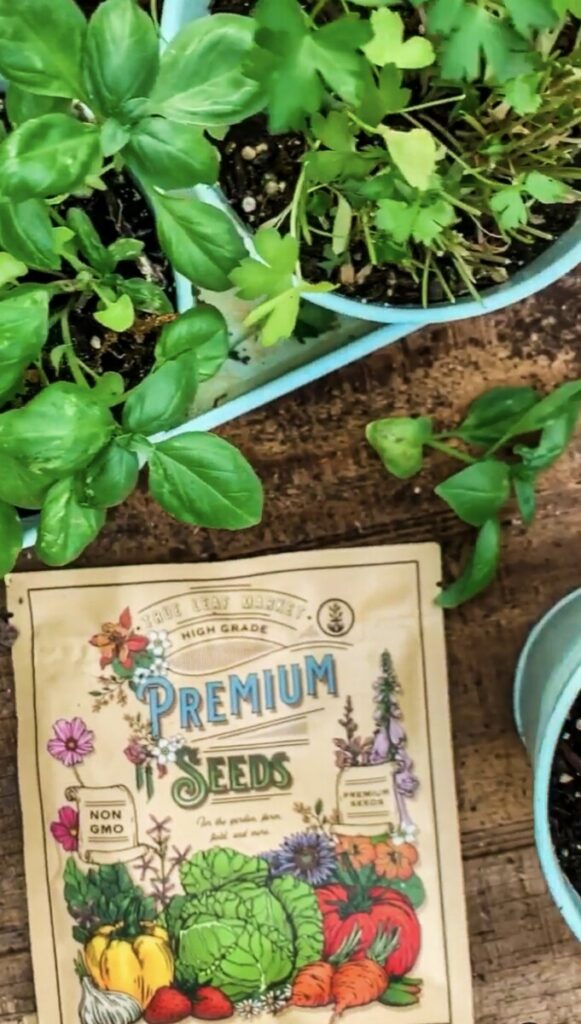
Mint might make you think of desserts first, but it’s an incredibly versatile culinary herb.
Its cool, refreshing flavor works in both sweet and savory recipes.
Use fresh mint in drinks, fruit salads, tea, desserts, sauces, salads, vegetables, and Mediterranean- and Middle Eastern-inspired dishes.
It pairs especially well with lemon, lime, watermelon, berries, cucumber, chocolate, peas, and yogurt.
Read my complete guide to Mint: How to Use Fresh Mint in Cooking.
Fresh Herbs vs. Dried Herbs
Fresh and dried herbs aren’t always interchangeable in equal amounts.
Drying removes moisture and concentrates the flavor of many herbs. As a general starting point, you can use roughly one-third as much dried herb as fresh herb.
For example, if a recipe calls for:
1 tablespoon fresh herbs → start with about 1 teaspoon dried herbs.
This isn’t a perfect rule for every herb or every recipe, but it’s a useful kitchen guideline.
When Should You Add Herbs While Cooking?
This depends on the herb.
Hardy herbs such as rosemary and thyme can generally withstand longer cooking.
Tender herbs such as basil, parsley, cilantro, chives, and mint often taste freshest when added toward the end of cooking or used as a garnish.
Understanding this one difference can dramatically improve the flavor of your food.
How to Store Fresh Culinary Herbs
Different herbs benefit from slightly different storage methods.
Tender herbs can often be treated somewhat like fresh flowers, with their stems placed in a small amount of water.
Hardier herbs can often be wrapped gently in a slightly damp paper towel and refrigerated in a container or storage bag.
Always remove any slimy or damaged leaves before storing your herbs.
Why Home Cooks Should Learn Their Herbs
Once you understand what individual herbs taste like, you don’t have to depend entirely on recipes.
You’ll begin recognizing combinations naturally.
Tomato and basil.
Potatoes and rosemary.
Cucumber and mint.
Chicken and thyme.
Potatoes and parsley.
Once those associations become familiar, seasoning food becomes much more intuitive.
And that’s when you start moving from simply following recipes to really learning how to cook.
Frequently Asked Questions
What are the most common culinary herbs?
Basil, parsley, rosemary, thyme, oregano, cilantro, mint, dill, sage and chives are among the herbs commonly used by home cooks.
What’s the easiest culinary herb for beginners?
Basil is an excellent place to start because its flavor is recognizable and it works in many familiar dishes.
Can you cook with fresh herbs?
Absolutely. Some fresh herbs are added during cooking, while delicate herbs are often added near the end to preserve their flavor.
Can you substitute dried herbs for fresh?
Often, yes. Because dried herbs can be more concentrated, start with approximately one-third of the amount of fresh herbs called for.