What Is Wedgwood? A Beginner’s Guide to Wedgwood China and Collecting
What Is Wedgwood? A Beginner’s Guide to Wedgwood China and Collecting
There is something about Wedgwood that makes even a simple shelf, table setting, or wall feel special. The beautiful colors, classical designs, and unmistakably English look have made Wedgwood pieces collectible for generations.
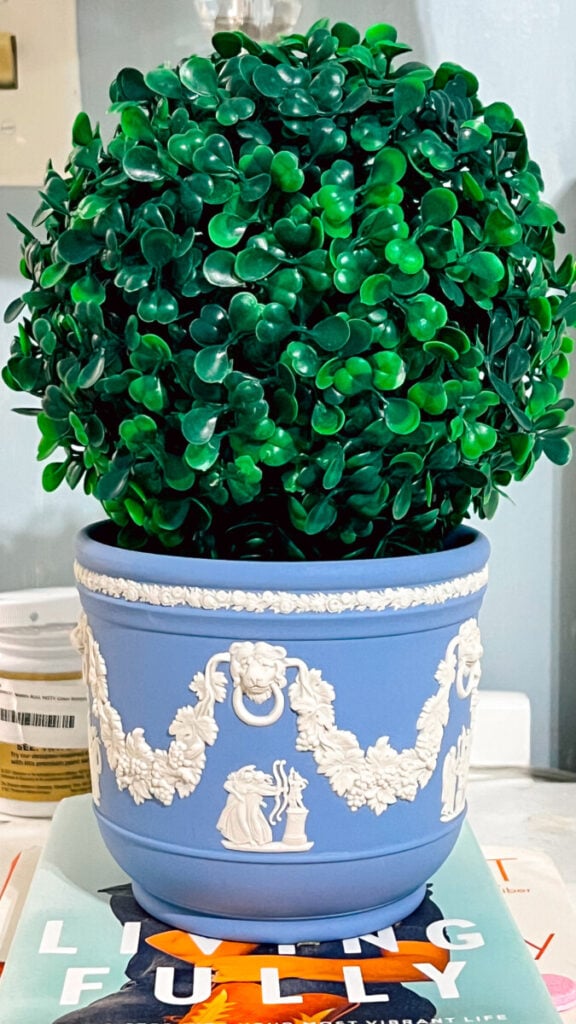
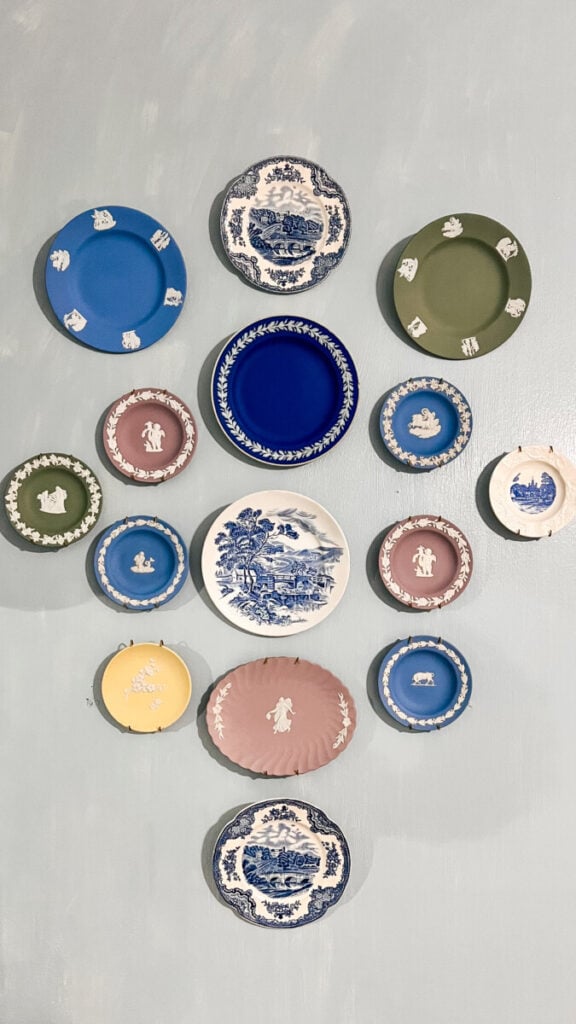
I have been building my own Wedgwood collection, and one of my favorite ways to enjoy it is actually decorating with it. Instead of keeping all of my pieces tucked away in a cabinet, I created a Wedgwood plate wall where I can see some of my collection every day.
If you’ve spotted Wedgwood at an antique store, inherited a piece from a family member, or simply fallen in love with those beautiful blue-and-white designs, you may be wondering: What is Wedgwood, and what makes it so special?
Here’s a beginner’s introduction to Wedgwood, along with a look at why I love collecting and decorating with it.
What Is Wedgwood?
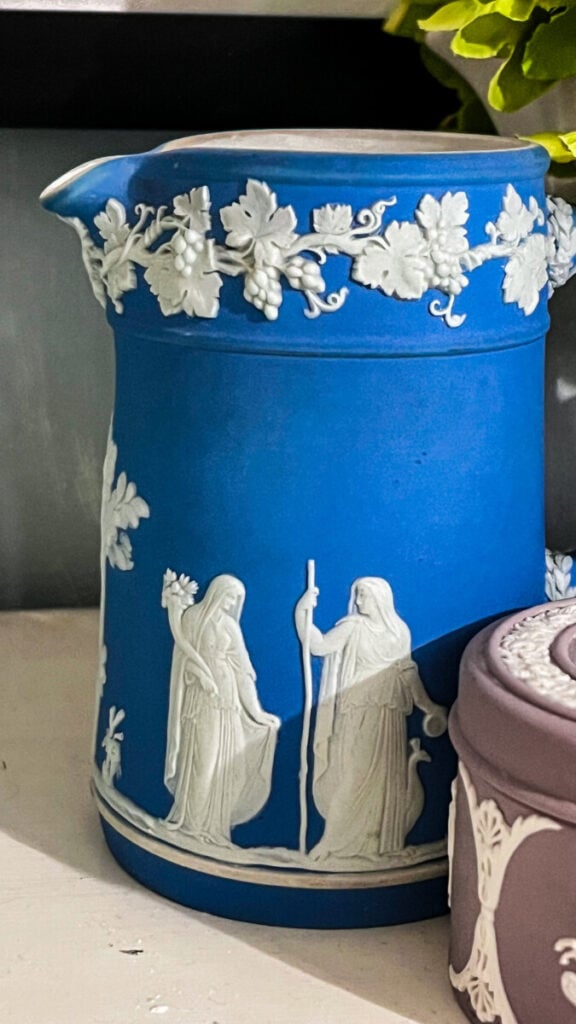
Wedgwood is a historic English pottery company founded by Josiah Wedgwood in 1759. Over more than two and a half centuries, the Wedgwood name has become associated with fine ceramics, dinnerware, decorative objects, and some of the most recognizable pottery designs in the world.
One of the things that makes Wedgwood so interesting to collect is its variety. When someone says “Wedgwood,” they may be talking about fine dinnerware, a vintage plate, a vase, a decorative box, a piece of Jasperware, or one of many other objects produced under the Wedgwood name.
For collectors, that means there’s always something else to discover.
Who Was Josiah Wedgwood?
Josiah Wedgwood was an English potter and entrepreneur who established his pottery business in Staffordshire, England, in 1759.
He became an important figure in the development of British ceramics, experimenting extensively with pottery bodies, glazes, manufacturing methods, and designs.
His work eventually became fashionable among some of Britain’s most prominent customers. One particularly famous association was with Queen Charlotte, wife of King George III. Wedgwood’s connection with royal patronage helped establish the prestige that would remain associated with the name.
Today, antique and vintage Wedgwood pieces connect collectors to more than 250 years of British design history.
What Is Wedgwood Jasperware?
When many people picture Wedgwood, Jasperware is probably what they’re imagining.
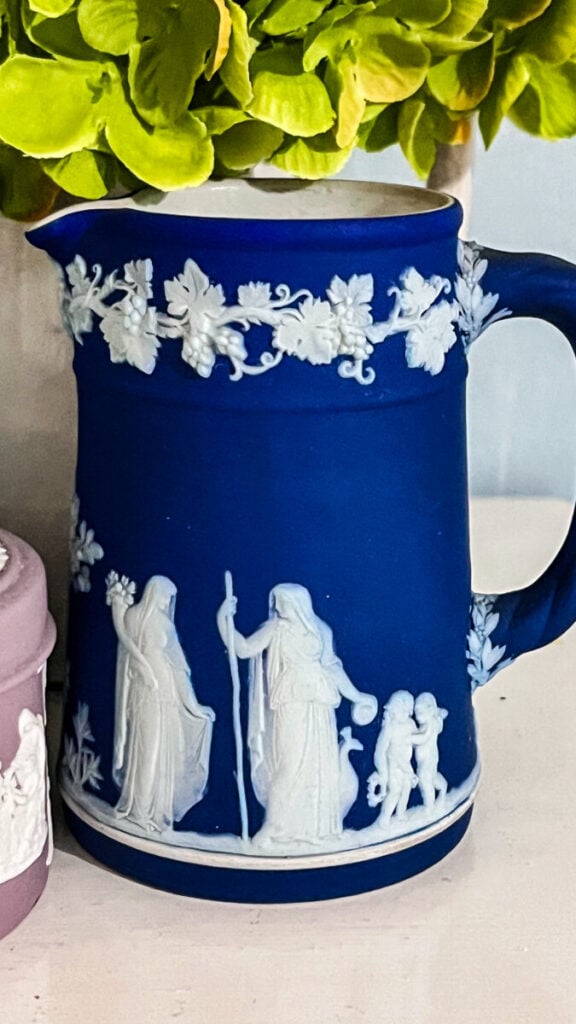
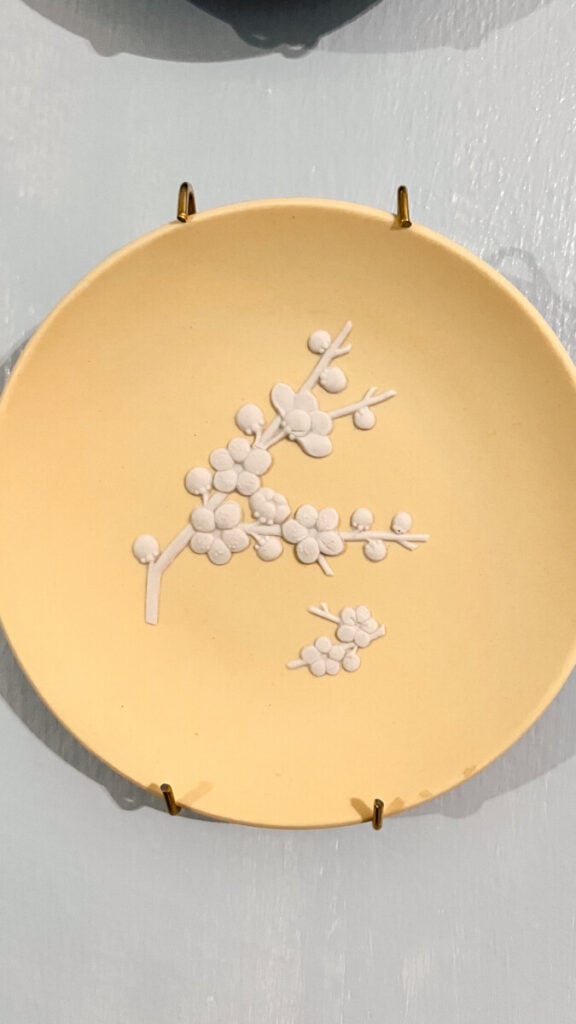
It’s particularly recognizable because of its matte finish and raised classical decoration.
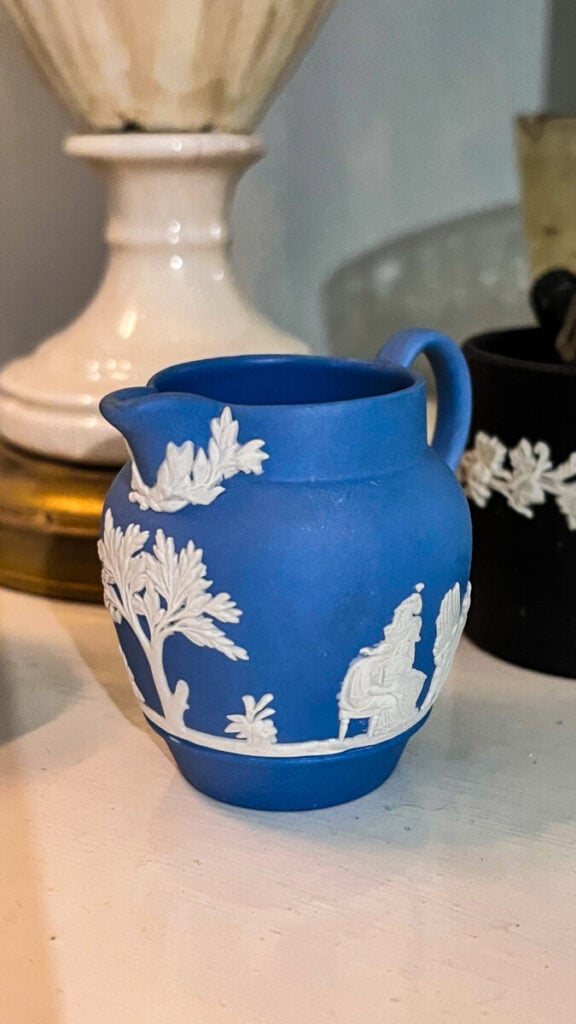
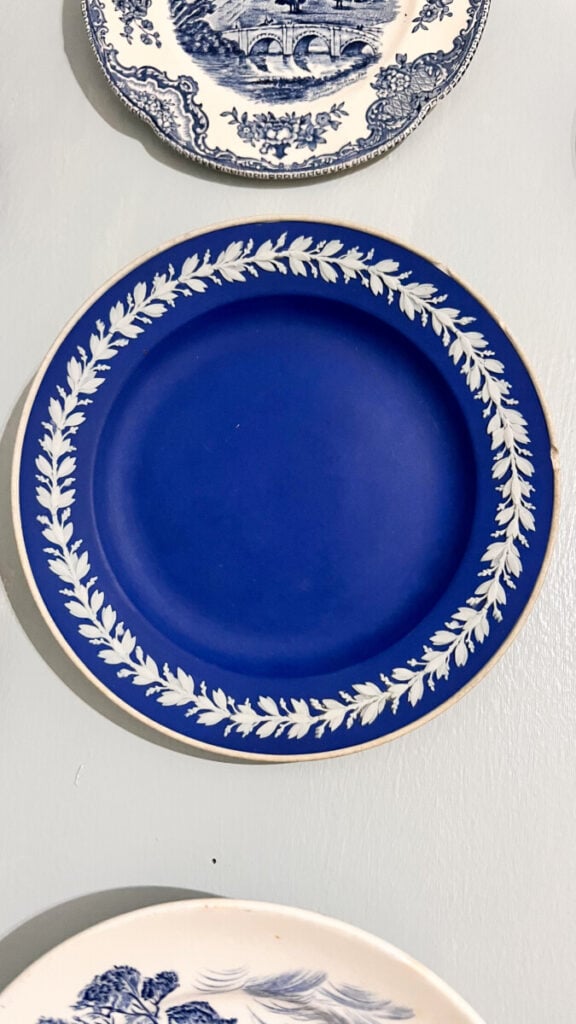
The most iconic version is a beautiful pale blue—often called Wedgwood blue—decorated with contrasting white reliefs.
Those white designs frequently feature figures, flowers, vines, mythology, classical scenes, and decorative borders.
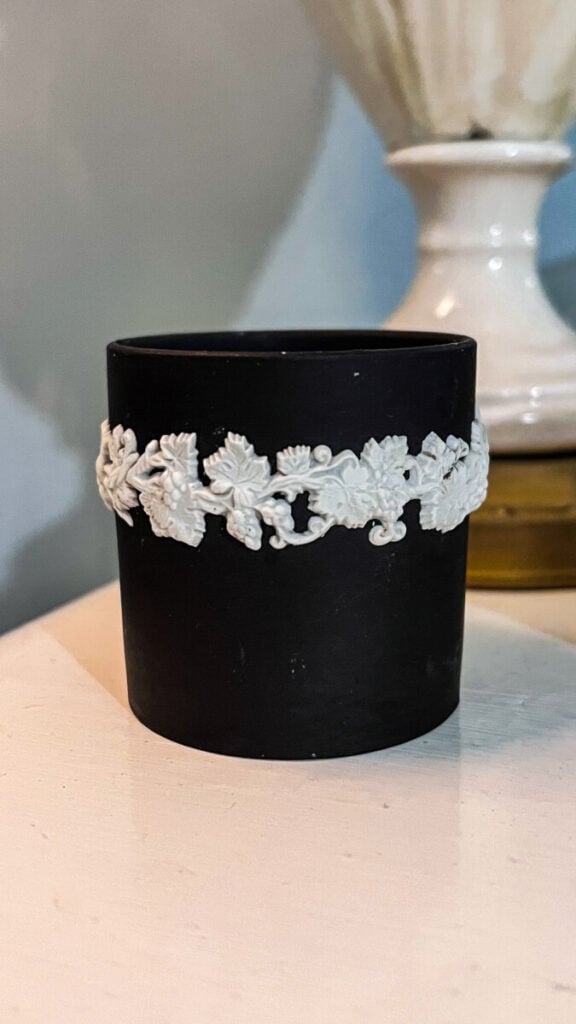
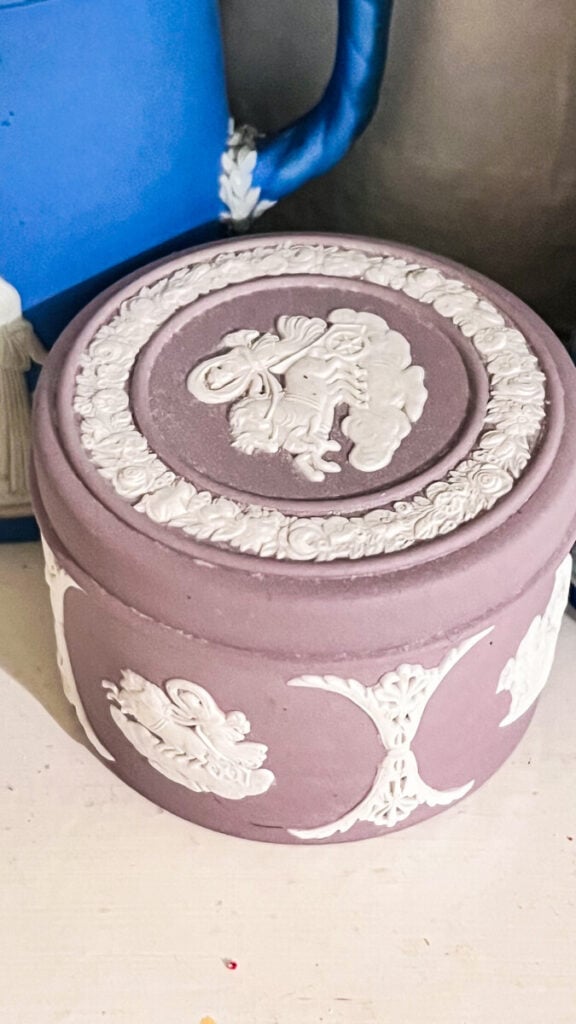
Blue may be the color most closely associated with Jasperware, but it was made in other colors as well. Depending on the piece and period, collectors may encounter green, lilac, dark blue, black and other variations.
Is All Blue Wedgwood Jasperware?
No, and this is an important distinction for beginning collectors.
Wedgwood produced an enormous range of ceramics. Wedgwood is the maker; Jasperware is one particular type of ceramic associated with Wedgwood.
So a piece can be genuine Wedgwood without being blue, without having white relief decoration, and without being Jasperware.
This is one reason identifying Wedgwood can become such an interesting hobby. There are different materials, patterns, colors and periods to learn about.
Why Is Wedgwood Blue So Famous?
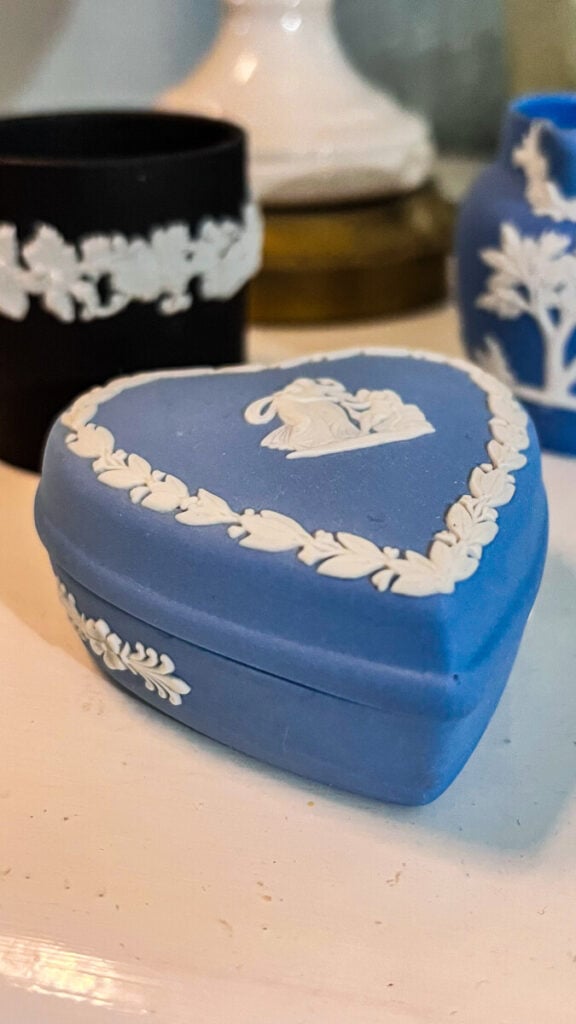
That soft powdery blue has become so closely associated with the company that you’ll frequently hear a similar shade described simply as Wedgwood blue.
Paired with crisp white relief decoration, it has a timeless quality that works surprisingly well in modern interiors.
For me, that’s part of its appeal.
Wedgwood can feel formal and historic, but when you start grouping pieces together, it can also feel charming, collected, and comfortable.
And that is exactly the look I wanted with my plate wall.
How Can You Tell If Wedgwood Is Real?
If you find a piece that you think might be Wedgwood, turn it over.
The back or underside of a piece is one of the first places to look for clues. Depending on the age and type of piece, Wedgwood used different impressed marks, printed marks, stamps and other identifiers.
You may see the WEDGWOOD name, additional words or symbols, pattern information, or other factory and production marks.
However, Wedgwood markings changed over the company’s long history, so the presence or style of a particular mark shouldn’t be used by itself to assign an exact date.
If you have a potentially old or valuable piece, research the complete mark along with the material, decoration, shape and provenance before deciding exactly what you have.
Is Wedgwood Valuable?
It can be, but simply seeing the Wedgwood name doesn’t automatically mean you’ve discovered an extremely valuable antique.
Value can depend on factors including:
- Age
- Rarity
- Pattern or design
- Color
- Condition
- Size and form
- Artist or designer
- Whether a piece belongs to a set
- Current collector demand
- Provenance
Some Wedgwood is relatively accessible, which is actually wonderful if you’re beginning a collection. Other rare or historically significant pieces can command substantially higher prices.
I wouldn’t recommend collecting Wedgwood solely because you hope every piece will appreciate in value.
Buy the pieces you genuinely love.
Then whether they’re eventually worth more or not, you have something beautiful to enjoy in your home.
Where Can You Find Vintage Wedgwood?
Part of the fun is the hunt.
Vintage and older Wedgwood pieces can turn up at antique stores, estate sales, flea markets, thrift stores, auctions, online marketplaces and specialty china dealers.
Don’t automatically overlook a single plate because it isn’t part of a complete dinnerware set.
If you’re decorating rather than trying to assemble a historically perfect service, individual pieces can be some of the best finds.
That’s especially true when you’re creating something like a plate wall.
My Wedgwood Collection
My own collection is something I’ve gradually built, I started collecting at the age of 16 and bever looked back, rather than something I purchased all at once.
And I think that makes a collection much more interesting.
I love finding individual pieces that catch my eye and bringing them home one at a time. When they’re displayed together, all of those individual finds begin to feel like one larger collection.
I especially love the blue and white color palette because it works beautifully with the soft blue and gray tones I use in my home.
There is something quintessentially English about a collection of beautiful china displayed instead of hidden away.
Decorating With Wedgwood
One of the reasons I think Wedgwood is still so appealing is that it doesn’t have to live inside a china cabinet.
Use it.
Display it.
Let beautiful pieces become part of the room.
A Wedgwood collection can look beautiful displayed on bookshelves, arranged inside a glass-front cabinet, placed on a mantel, layered on a sideboard, used in a table setting, or hung on a wall.
You also don’t have to make every piece match perfectly.
A collected interior is often more interesting when everything coordinates without being identical.
My Wedgwood Plate Wall
One of my favorite things I’ve done with my collection is create a Wedgwood plate wall.
Instead of storing all of those beautiful plates where I rarely saw them, I wanted them to become part of the room.
The result feels like artwork.
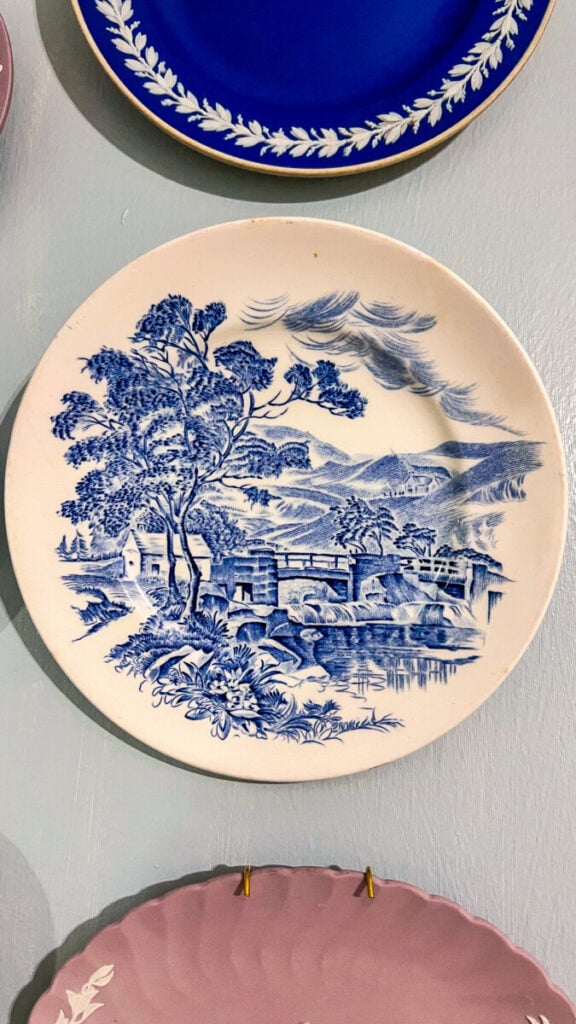
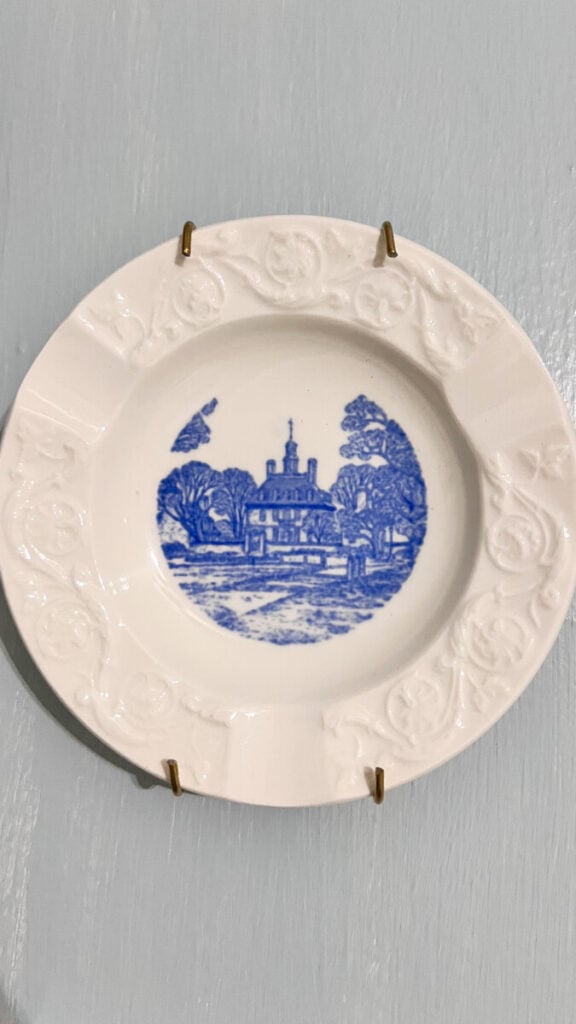
Each individual plate has its own pattern and details, but when they’re grouped together, the repeated blue-and-white palette makes everything feel connected.
It’s also a display that can continue evolving. When I find another Wedgwood plate I love, I can decide whether it belongs on the wall or somewhere else in the collection.
I’ll be sharing my complete Wedgwood plate wall in a separate post, including how I arranged the plates and ideas for creating your own blue-and-white plate wall.
Can You Mix Different Wedgwood Patterns?
Absolutely—especially when you’re decorating rather than assembling a formal dinner service.
In fact, I think mixing patterns can make a display more interesting.
Look for a common thread.
That might be color, shape, era, subject matter, or simply pieces that look beautiful together.
With a plate wall, I prefer the appearance of a collected arrangement rather than making every plate exactly the same.
Wedgwood and English Country Style
If you love English country interiors, traditional decorating, grandmillennial style, vintage decor, or blue-and-white rooms, Wedgwood fits naturally into that aesthetic.
It has history and formality, but it can be softened by the way it’s displayed.
A plate hanging on a perfectly formal wall can feel stately. The same plate layered among antique furniture, books, flowers and other collected pieces suddenly feels cozy and lived-in.
That’s one of my favorite things about traditional interiors. A room doesn’t need to look as though everything was bought yesterday. It can look as though it has been assembled and loved over generations.
How to Start a Wedgwood Collection
You don’t need dozens of pieces to call yourself a collector.
Start with one.
Choose a plate, vase, small Jasperware dish, box, ornament, or other piece that you genuinely love. Learn a little about it, then keep your eyes open for the next one.
You might eventually decide to collect one particular color or pattern. Or you might discover that you prefer a mixture.
There really isn’t a rule saying your collection has to look like anyone else’s.
That’s the fun of collecting.
Should You Actually Use Vintage Wedgwood?
This depends on exactly what you’ve collected.
Some Wedgwood was created as functional dinnerware, while other pieces are primarily decorative. Age, condition, decoration, and materials also matter when deciding whether vintage china is appropriate for serving food.
If you’re unsure about the age or composition of an older piece, research that specific pattern and piece before using it for food.
And of course, you can always enjoy a beautiful vintage plate purely as decoration.
That’s exactly what makes plate walls such a wonderful option.
Why I Love Collecting Wedgwood
I think beautiful things should be enjoyed.
There is history behind Wedgwood, but there’s also something personal about collecting it today. Every piece you choose becomes part of your own home and your own story.
For me, my collection combines several things I already love: blue and white, traditional English design, beautiful tableware, vintage pieces, and interiors that feel collected rather than decorated all at once.
My Wedgwood plate wall lets me enjoy those pieces every single day instead of seeing them only when I open a cabinet.
And I have a feeling my collection isn’t finished yet.