How to Use Parsley in Cooking: A Beginner’s Guide
Parsley: How to Use Parsley in Cooking
Parsley is one of the most common culinary herbs, but it deserves to be thought of as much more than a garnish. Fresh parsley can brighten a rich pasta dish, add freshness to roasted vegetables, bring color and flavor to soups, and turn a simple garlic butter into something special.
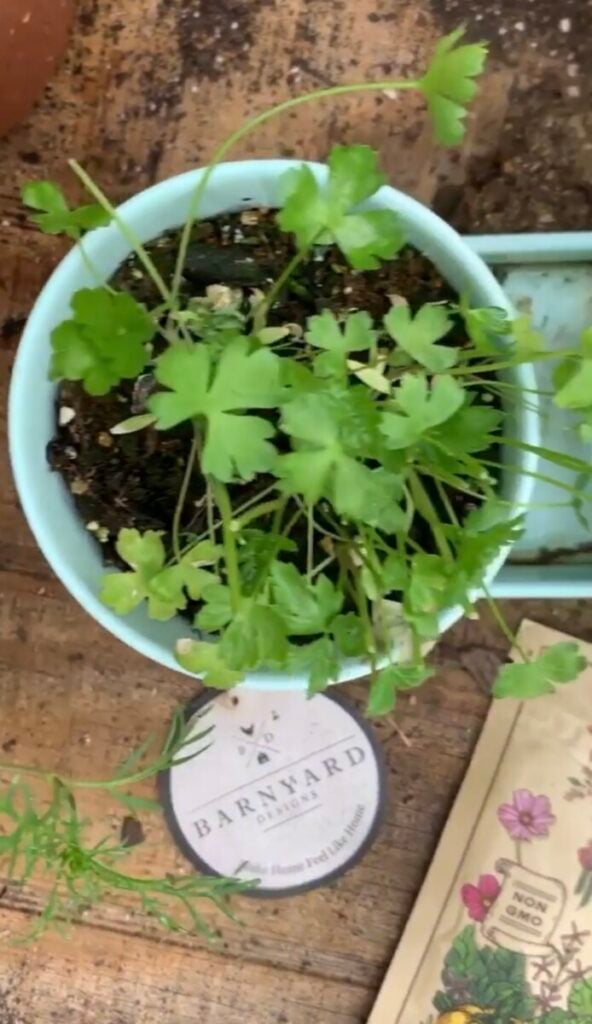
If you’re learning how to cook with fresh herbs, parsley is a great place to start. Its flavor is mild enough to work with an enormous variety of foods, making it one of the most useful herbs to keep in your kitchen.
In this guide, we’ll look at what parsley tastes like, the difference between flat-leaf and curly parsley, what foods go with parsley, how to use fresh parsley in cooking, and the best time to add it to a recipe.
What Is Parsley?
Parsley is a leafy green culinary herb used in cuisines around the world. You’ll commonly find two varieties at the grocery store: flat-leaf parsley and curly parsley.
While parsley is frequently scattered over finished dishes for color, it also contributes fresh herbal flavor.
The stems are flavorful too, so don’t automatically throw them away. Tender stems can be finely chopped along with the leaves, while larger stems can be used to add flavor to stocks, soups, and sauces and removed later.
What Does Parsley Taste Like?
Fresh parsley has a clean, fresh, slightly peppery and herbaceous flavor.
It isn’t as sweet and fragrant as basil or as powerful as rosemary. Instead, parsley has a bright flavor that can help balance rich, buttery, creamy, or savory foods.
That’s one of the reasons it works in so many different recipes.
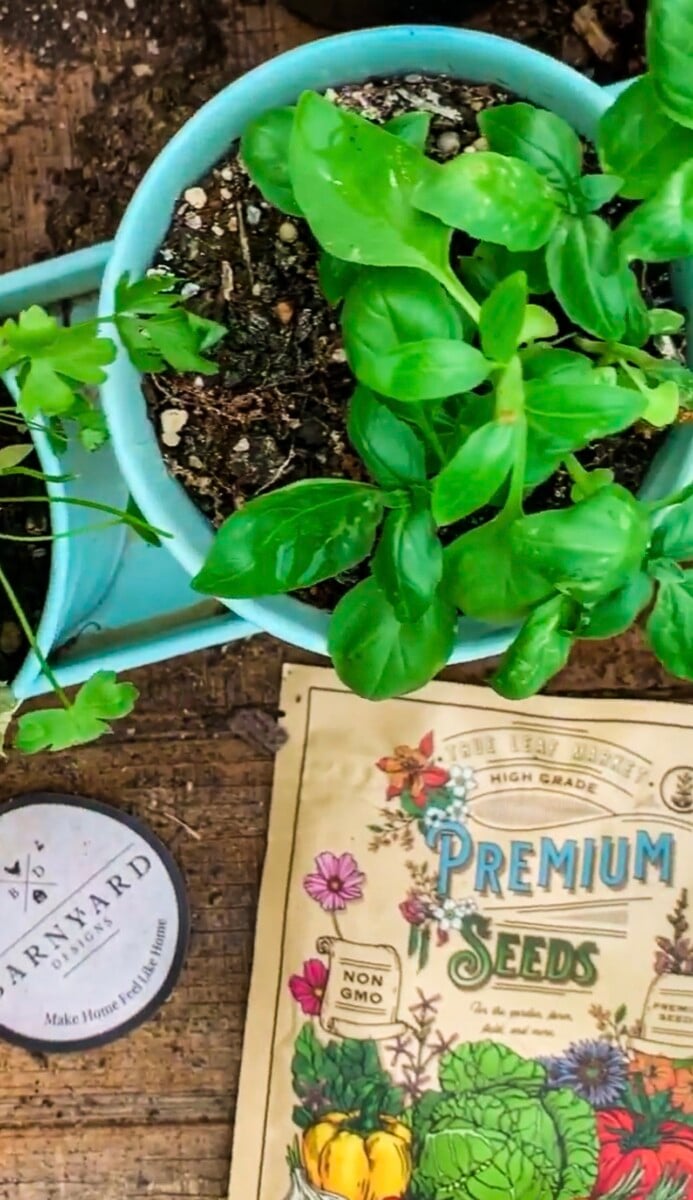
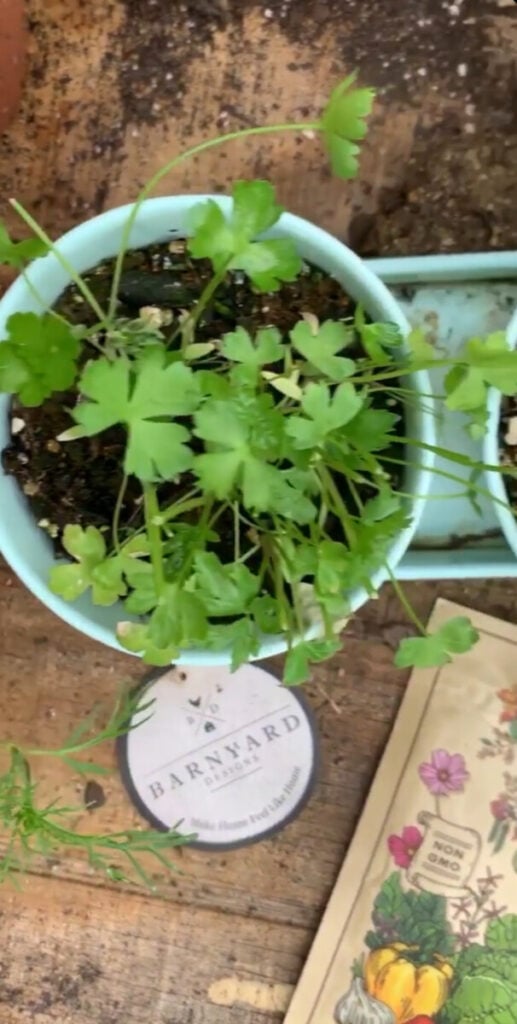
When a finished dish tastes heavy or looks like it needs a little freshness, chopped parsley can often provide exactly what’s missing. I grew the parsley below in my greenhouse.
Flat-Leaf Parsley vs. Curly Parsley
Both are parsley, but there are some differences.
Flat-Leaf Parsley
Flat-leaf parsley is also commonly called Italian parsley. It has broad, relatively flat leaves and a fresh herbal flavor.
I particularly like it for cooking because it’s easy to chop and incorporate into recipes.
Use Italian parsley in pasta, soups, sauces, salads, roasted vegetables, meat dishes, marinades, and herb mixtures.
Curly Parsley
Curly parsley has tightly curled leaves and a different texture.
It’s especially recognizable as a traditional garnish, but it can also be chopped and incorporated into recipes.
If you’re choosing just one type of parsley for everyday cooking, flat-leaf Italian parsley is an especially versatile choice.
What Foods Go With Parsley?
One of parsley’s biggest advantages is just how many ingredients it complements.
Parsley pairs especially well with:
- Garlic
- Butter
- Lemon
- Olive oil
- Parmesan cheese
- Potatoes
- Chicken
- Beef
- Pork
- Fish
- Pasta
- Rice
- Beans
- Tomatoes
- Mushrooms
- Carrots
- Roasted vegetables
- Soups and stews
- Eggs
One of the easiest combinations for a home cook to remember is:
Parsley + garlic + butter + lemon
That combination can be used with potatoes, pasta, chicken, vegetables, seafood, and much more.
How to Use Fresh Parsley in Cooking
Fresh parsley can be chopped and added directly to all kinds of recipes.
Try adding it to:
Pasta: Toss chopped parsley into buttery or garlicky pasta just before serving.
Potatoes: Sprinkle parsley over roasted potatoes, mashed potatoes, boiled potatoes, or crispy air fryer potatoes.
Soups: Stir fresh parsley into chicken soup, vegetable soup, beef soup, or creamy soups toward the end of cooking.
Chicken: Add parsley to marinades, garlic butter, pan sauces, or sprinkle it over cooked chicken.
Vegetables: Finish roasted or sautéed vegetables with chopped parsley for extra freshness and color.
Eggs: Add it to scrambled eggs, omelets, frittatas, or breakfast potatoes.
Rice and grains: Stir chopped parsley into rice, couscous, or other grain dishes before serving.
Salads: Parsley can be used as an herb in salads rather than simply as decoration.
When Should You Add Parsley While Cooking?
Parsley is considered a relatively tender herb, so you’ll generally get its brightest flavor when you add it toward the end of cooking.
If you’re making soup or sauce, you can add some parsley during cooking for flavor and then add another handful just before serving for freshness.
When using parsley as a finishing herb, chop it shortly before serving and scatter it over the finished dish.
That bright green color can make even a very simple dinner look more finished.
How to Chop Fresh Parsley
Start by rinsing the parsley and drying it thoroughly.
Remove any damaged or discolored leaves.
Gather the parsley into a loose pile on your cutting board and use a sharp chef’s knife to chop it to your desired size.
You don’t need to remove every single stem. The thin, tender stems near the leaves are perfectly usable and contain plenty of flavor.
For a garnish, chop the parsley relatively finely. If parsley is playing a larger role in a salad or sauce, you may want a coarser chop.
Can You Eat Parsley Stems?
Yes.
The tender stems are edible and flavorful.
Instead of spending time picking every individual leaf from its stem, remove the thickest bottom stems and chop the tender upper stems along with the leaves.
The larger stems can also be added to homemade stock or soups to contribute flavor.
It’s an easy way to waste less of the herb.
Fresh Parsley vs. Dried Parsley
Fresh and dried parsley can both be useful, but they don’t provide exactly the same result.
Fresh parsley provides the bright color and fresh herbal flavor that makes it particularly good for finishing dishes.
Dried parsley is convenient for seasoning mixtures, soups, sauces, casseroles, and recipes where fresh parsley isn’t available.
When a recipe depends on parsley for freshness and appearance, however, fresh parsley is usually the better choice.
If you’re substituting dried parsley for fresh, remember that dried herbs are more concentrated. As a general starting point, use about 1 teaspoon dried parsley for every 1 tablespoon fresh parsley, then adjust to taste.
What Can I Make With Lots of Fresh Parsley?
If you’ve bought an entire bunch for a recipe that only needs a few tablespoons, don’t let the rest go to waste.
Use extra fresh parsley to make:
- Garlic herb butter
- Chimichurri
- Pesto-style herb sauces
- Homemade salad dressing
- Marinades
- Pasta
- Potato dishes
- Soups
- Salads
- Roasted vegetables
- Rice dishes
- Garlic bread
You can also combine parsley with other fresh herbs to create your own herb mixtures.
Parsley and Garlic Butter
One of the easiest ways to use parsley is in garlic parsley butter.
Mix softened butter with finely chopped fresh parsley, minced garlic, and a little salt.
Use it on bread, potatoes, steak, chicken, pasta, or vegetables.
This is a perfect example of how a basic culinary herb can transform a few everyday ingredients into something that tastes much more special.
Is Parsley Just a Garnish?
Definitely not.
Parsley became so common as a restaurant garnish that it’s easy to overlook its actual culinary purpose.
Used properly, parsley provides flavor as well as color.
It’s particularly useful for balancing rich dishes. A creamy pasta, buttery potato dish, or hearty stew can benefit from the clean freshness of parsley at the end.
So rather than treating parsley as something you put on the plate simply because it’s green, think of it as a finishing ingredient.
How to Store Fresh Parsley
Fresh parsley can last much longer when stored properly.
Remove any damaged leaves and trim a little from the bottom of the stems.
One method is to place the parsley stems in a jar or glass with a small amount of water, somewhat like a bouquet of flowers. Loosely cover the leaves and refrigerate.
Change the water if it becomes cloudy.
You can also wrap parsley gently in a slightly damp paper towel and store it in a container or food-storage bag in the refrigerator.
Avoid putting parsley away soaking wet, since excess moisture can encourage it to deteriorate faster.
Can You Freeze Fresh Parsley?
Yes.
Frozen parsley won’t have quite the same texture as fresh parsley, so it isn’t ideal when you want beautiful fresh leaves for garnish.
However, it can be useful in cooked dishes.
Chop clean, dry parsley and freeze it in an appropriate freezer container. You can also freeze chopped herbs in small portions for adding to soups, sauces, and other cooked recipes.
Parsley Substitutes
The best substitute depends on what you’re making because other herbs have different flavor profiles.
For a fresh green garnish, chives or another mild fresh herb may work in certain dishes.
Cilantro has a very different flavor, so even though it looks somewhat similar to flat-leaf parsley, it isn’t always a good direct substitute.
If parsley is a significant flavor in the recipe, it’s usually better to use parsley rather than trying to replace it with a stronger herb.
Parsley for Beginner Home Cooks
Parsley is one of the herbs I think every home cook should learn to use because it’s so forgiving.
Start simply.
The next time you make mashed potatoes, add fresh parsley.
Add it to garlic butter.
Sprinkle it over pasta.
Finish roasted vegetables with parsley and lemon.
Once you start using herbs this way, you’ll begin recognizing which flavors naturally belong together. That’s a big part of becoming more confident in the kitchen.
More Common Culinary Herbs to Learn
Parsley is just one of the common culinary herbs for home cooks.
If you’re learning how to cook with herbs, be sure to read my Common Culinary Herbs guide, where I’m putting together everything you need to know about everyday kitchen herbs.
You can also explore my individual guides to:
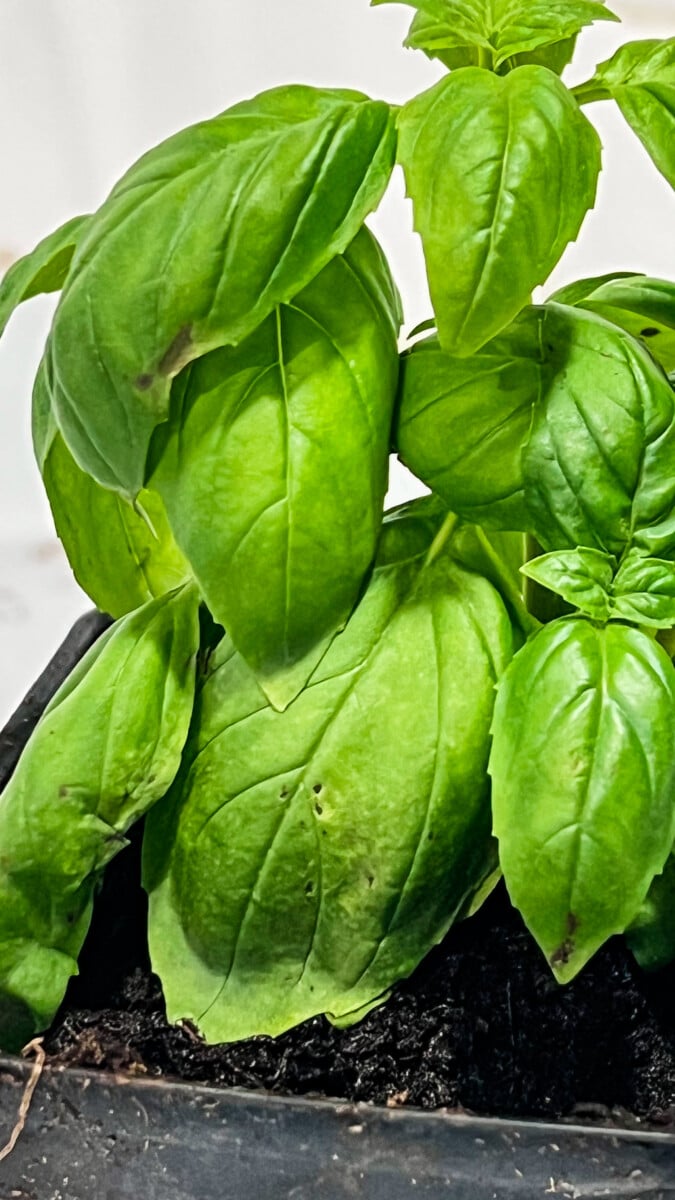
Basil — a fragrant, slightly sweet herb that’s wonderful with tomatoes, pasta, pizza, mozzarella, and fresh summer dishes.
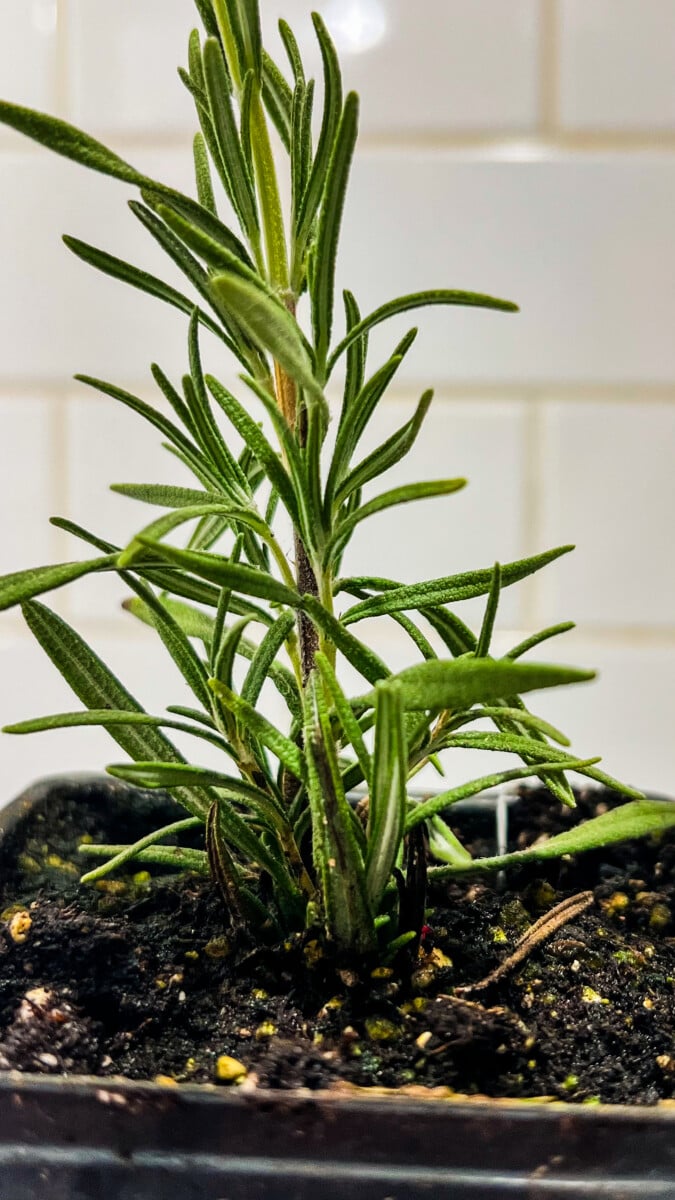
Rosemary — a bold, woodsy herb that’s particularly good with potatoes, chicken, roasted vegetables, bread, and hearty dishes.
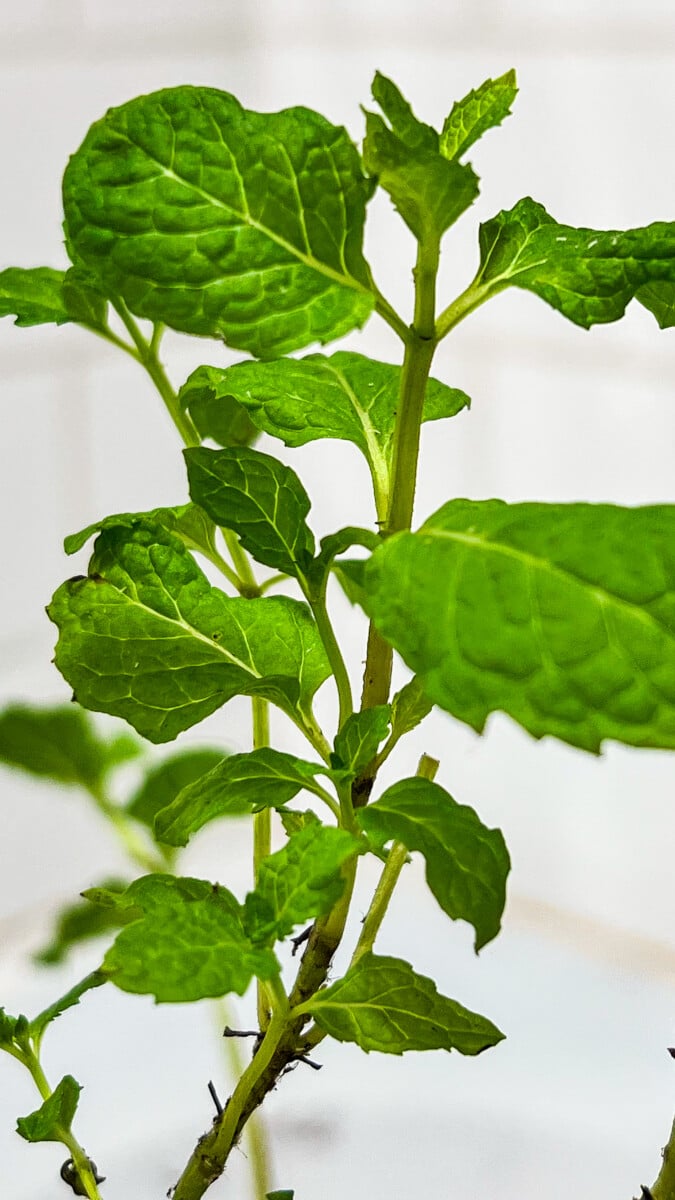
Mint — a cool, refreshing herb that works in both sweet and savory recipes, from fruit and drinks to salads and sauces.
As I add more herbs to this series, you’ll be able to use the collection as a reference whenever you’re wondering which herb goes with what food.
Frequently Asked Questions About Parsley
What is parsley used for in cooking?
Parsley is used to add fresh herbal flavor and color to pasta, potatoes, meat, vegetables, soups, sauces, salads, rice, eggs, and many other dishes.
Which parsley is best for cooking?
Flat-leaf or Italian parsley is an excellent all-purpose choice for everyday cooking because it’s flavorful and easy to chop.
Can you cook fresh parsley?
Yes. However, because parsley is a tender herb, adding at least some of it toward the end of cooking helps preserve its fresh flavor.
Do you use parsley stems?
Yes. Tender parsley stems can be chopped with the leaves. Larger stems can be used to flavor stocks, soups, and sauces.
Does parsley have a strong flavor?
Parsley is generally milder than strongly aromatic herbs such as rosemary. It has a fresh, green, slightly peppery flavor.
What seasoning goes well with parsley?
Garlic, lemon, black pepper, butter, olive oil, Parmesan, oregano, thyme, and many other seasonings pair well with parsley.
Final Thoughts
Parsley may be one of the most familiar herbs in the grocery store, but it’s also one of the most useful.
Once you stop thinking of it as merely a garnish, you’ll find countless opportunities to use it.
Keep some fresh parsley in the refrigerator and experiment with adding it to foods you already make. Start with potatoes, pasta, chicken, soups, vegetables, and garlic butter.
Sometimes the difference between an everyday dish and one that tastes fresh and finished is simply a handful of herbs added at the right time.