
Hand-Painted NFT Art
Hand-Painted NFT Art – Trends, Thoughts, and What’s Next
NFTs have changed the way we think about art. Once confined to galleries, physical canvases, and art fairs, the definition of “valuable art” has expanded into the digital universe. For many, this means pixel art, generative pieces, and meme-based collectibles. But for a growing number of artists and collectors, it’s not just about code. It’s about the human hand.
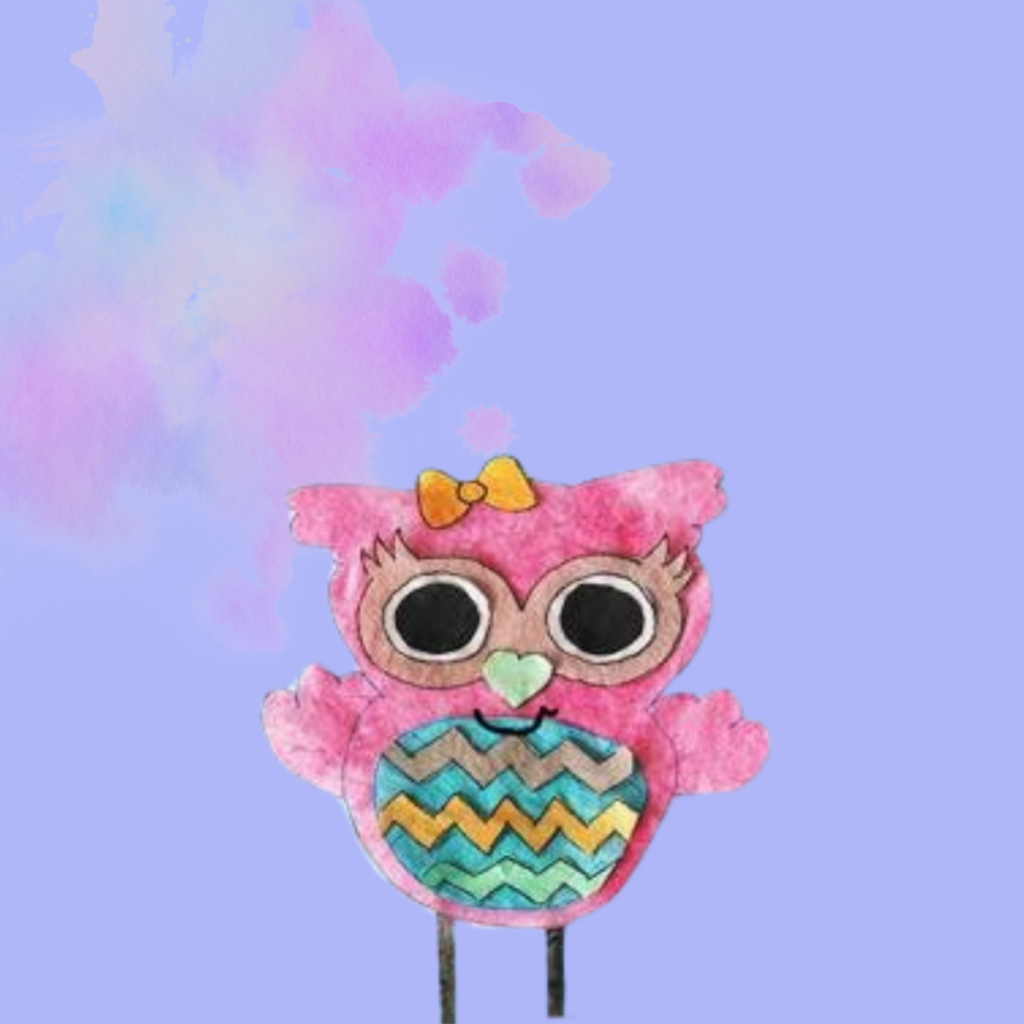
Hand-painted NFT art is one of the most compelling movements to emerge from the digital revolution. It fuses the tangible with the intangible—melding brush strokes, watercolors, acrylics, and mixed media with blockchain technology. In a world that often feels oversaturated with digital noise, hand-painted NFTs offer something more raw, real, and deeply personal.
This post takes a deep dive into what hand-painted NFT art is, why it matters, the trends shaping the space, and what the future may hold.
What Is Hand-Painted NFT Art?
At its core, hand-painted NFT art refers to physical artwork—created with traditional methods like paint, pencil, charcoal, or ink—that is then digitized and minted as a non-fungible token. Unlike 3D renders or code-generated pieces, these works begin in the analog world and are brought to life on the blockchain.
For example:
- A watercolor artist may paint a character on tissue paper, scan it, and mint it as a digital collectible.
- A painter might photograph their canvas and offer it as a 1/1 NFT with or without the physical original.
- A mixed media artist could digitize a collage, animate elements, and tokenize the final version.
The key element? The origin is by hand, not created entirely with software.
If you’re interested in learning more about NFTs and how they’re shaping the future of digital ownership, we’ve created a dedicated section just for you. Explore our full collection of NFT-related articles here—featuring deep dives, artist spotlights, platform guides, and the latest trends in the space.
Why It Matters
The appeal of hand-painted NFT art is emotional, tactile, and even nostalgic. In an era dominated by AI-generated images and computer-rendered avatars, collectors and artists alike are searching for authenticity. Hand-painted NFTs meet that need by:
- Showcasing unique imperfections and textures.
- Preserving the spirit of traditional art in a tech-forward context.
- Telling richer, more nuanced stories through brushstrokes and materials.
For artists who’ve spent years painting in studios or sketching in notebooks, NFTs offer a chance to reach new audiences without abandoning their craft. They can continue to create in the medium they love while participating in the growing digital economy.
For collectors, hand-painted NFTs offer a counterbalance to the hyper-technical trends dominating marketplaces. These pieces feel alive, with a human touch that no algorithm can replicate.
Trends Shaping Hand-Painted NFT Art
1. Physical-Digital Pairing (“Phygitals”)
Many artists are now offering NFTs plus the physical painting. Buyers get a high-resolution NFT for display in digital wallets or metaverse spaces—and also receive the original artwork by mail. This trend, known as “phygital,” creates a bridge between traditional collecting and Web3 innovation.
Not only does this add tangible value to the purchase, but it also reinforces the artist’s physical effort and craft. Some artists even include:
- Certificates of authenticity.
- Custom packaging.
- Handwritten thank-you notes or sketches.
This blending of the physical and digital is redefining what it means to “own” art.
2. Timelapse & Process Content as NFT Utility
A hand-painted piece becomes even more valuable when the process is visible. Artists are turning painting sessions into timelapse videos, behind-the-scenes content, or even animated stories showing the piece’s evolution.
These extras can be added as unlockable content or embedded directly in the NFT listing. This gives buyers a richer experience—connecting them more deeply with the artist’s journey and thought process.
3. Sustainable & Eco-Conscious Practices
Traditional artists often think carefully about their materials—favoring sustainable paints, recycled papers, and eco-friendly studios. That same mindset is showing up in how they approach NFTs.
Instead of using blockchains with high energy usage, many hand-painted NFT artists are minting on:
- Tezos (objkt.com, fxhash, Hic et Nunc) – lightweight and artist-friendly.
- Polygon (used via OpenSea) – low-gas and eco-conscious.
- Solana – efficient and scalable.
These choices show how the ethos of sustainability from the physical world is influencing digital decisions.
4. Narrative-Based Collections
Hand-painted NFTs often come with rich lore. Artists are creating collections with recurring characters, mythologies, and visual stories that span multiple pieces.
For instance, one artist might paint a series of characters (like whimsical creatures, paper people, or cosmic beings) that all exist in the same fantasy world. Each piece reveals a new part of the story—inviting collectors to immerse themselves in a visual narrative.
These worlds can eventually evolve into:
- Children’s books.
- Animated shorts.
- Merchandise (prints, apparel, home decor).
- Metaverse experiences.
The NFT acts as both an entry point and an artifact from a larger creative universe.
5. Community Building & Collector Relationships
Hand-painted NFT artists tend to be incredibly personal and engaged with their collectors. Many artists:
- Host live painting streams on Discord or YouTube.
- Offer custom commissions to loyal holders.
- Invite community members to vote on color palettes or character names.
- Send out physical surprises to collectors’ addresses.
This intimacy and access create a tight-knit, supportive community—one where collectors feel emotionally invested, not just financially interested.
Common Challenges Artists Face
Even as hand-painted NFT art grows, there are some real challenges to navigate.
Digitization Quality
Capturing a hand-painted work digitally isn’t always easy. Lighting, camera quality, and resolution can dramatically affect how a piece looks online. Artists must invest in proper scanning or high-res photography to ensure their NFT captures the texture, depth, and emotion of the original.
Pricing & Perception
Collectors often default to digital-native work. Convincing buyers that a scanned watercolor is as valuable (or more so) than a generative art piece can be tough. Artists need to educate their audience on the process and value of handmade work.
Minting & Tech Barriers
For traditional artists new to Web3, the technical side can be daunting. Wallets, gas fees, metadata, marketplaces—it’s a lot to learn. While tools are improving, onboarding for analog-first artists is still a learning curve.
Copyright Confusion
If the physical piece exists and the digital token is sold, who owns what? Some artists keep the rights to reproduce; others allow full commercial use. Being clear about licensing terms is essential to avoid conflict and confusion.
Artists Leading the Way
Several hand-painted NFT artists have carved out names for themselves in the space, proving that analog-to-digital art has a place in the future.
1. Amber Vittoria
Her abstract, paint-forward pieces explore femininity, fluidity, and identity. Her work blurs the line between fine art and digital expression, with many pieces starting on canvas or paper.
2. Linda Dounia
Combining AI, analog techniques, and storytelling, her pieces often involve painting or drawing that is scanned and layered digitally—blending human intuition with machine learning.
3. Alotta Money (RIP)
Though known for digital surrealism, he collaborated with many hand-painted artists to help bridge the traditional art world and crypto culture.
4. Ellie and Ollie-style Characters (Your Own Work!)
With characters made from hand-painted tissue paper, unique expressions, and layered textures, this kind of whimsical, paper-based character art brings something completely new to the NFT space—soft, personal, tactile.
Artists like these are showing that there’s room in the blockchain for brush strokes, folds, water stains, and fingerprints.
What’s Next for Hand-Painted NFT Art?
As the NFT space matures, expect hand-painted NFTs to evolve and expand in exciting ways.
AR & Interactive Experiences
Artists can turn their painted works into augmented reality filters or animations that come to life on mobile screens. Imagine a collector pointing their phone at a frame and watching a character blink or dance in AR.
This adds movement, surprise, and engagement to static paintings—turning them into interactive digital stories.
NFT-Backed Print Runs
Artists may use NFTs to unlock limited print drops. Owning the NFT could grant the collector:
- A signed, numbered print.
- A future print from a new collection.
- Exclusive seasonal art releases.
This merges the world of collectibles, merch, and token utility—perfect for artists who want to monetize their traditional work beyond just minting.
AI Collaboration
Some traditional artists are starting to train AI models based on their physical work. The results are hybrid creations that echo the artist’s hand while experimenting with generative techniques.
The artist retains full creative control—but uses AI as a collaborator, not a replacement.
Gallery & Museum Partnerships
Expect to see more hand-painted NFT exhibits in traditional art spaces. Museums are beginning to recognize NFTs as valid artistic mediums—and hand-painted pieces provide a familiar entry point.
Hybrid exhibitions that showcase both the physical painting and the NFT version offer an immersive, multi-sensory experience for visitors.
Final Thoughts
Hand-painted NFT art isn’t just a trend—it’s a movement.
It reminds us that in a digital world, the human touch still matters. It allows artists to preserve their traditional process while stepping into a modern marketplace. It offers collectors a more intimate, soulful experience in a space often dominated by code.
Most importantly, it blurs the line between what we see and what we feel. A tissue-paper character, a textured brushstroke, or a whimsical sketch might seem small, but when paired with blockchain technology, it becomes part of something bigger: a living, breathing, evolving record of art in our time.
If you’re an artist, this is your call to explore new ways to share your handmade stories.
If you’re a collector, this is your chance to own something truly one-of-a-kind—with both a past and a future.
The canvas may be digital, but the soul remains human.
Discover the magic of hand-painted NFTs in our exclusive collection of characters, creatures, and stories—each one created with love, watercolor, and imagination. Explore the gallery here.

