Homemade Apricot Jam
Homemade Apricot Jam
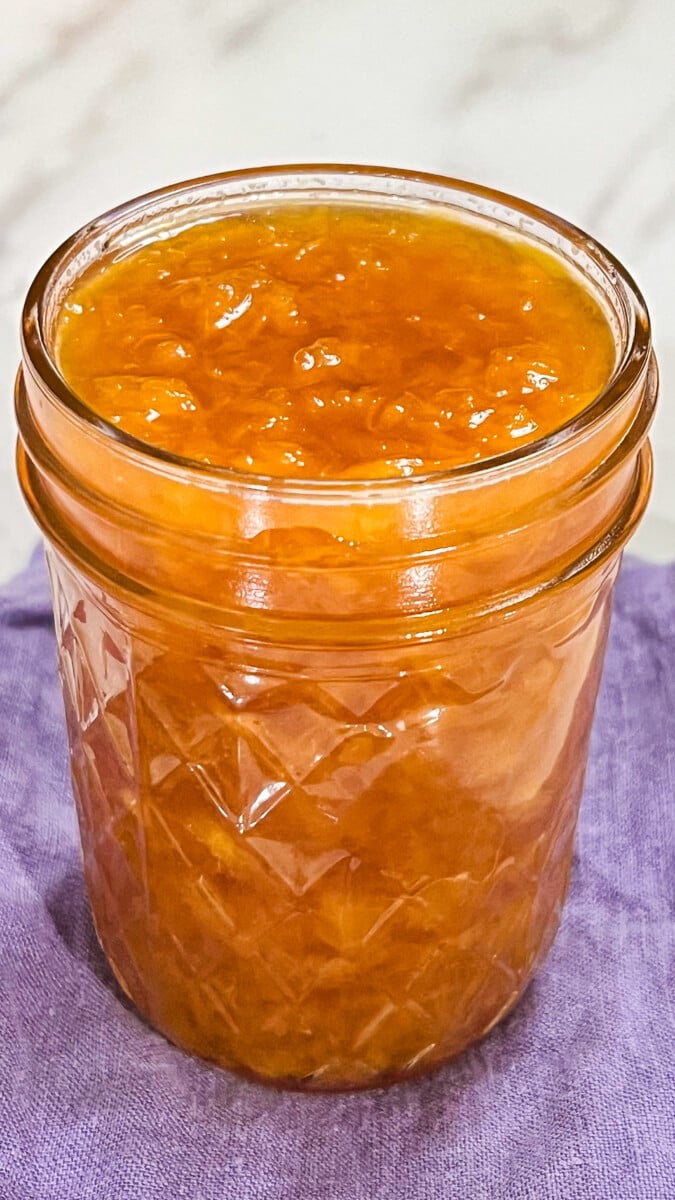
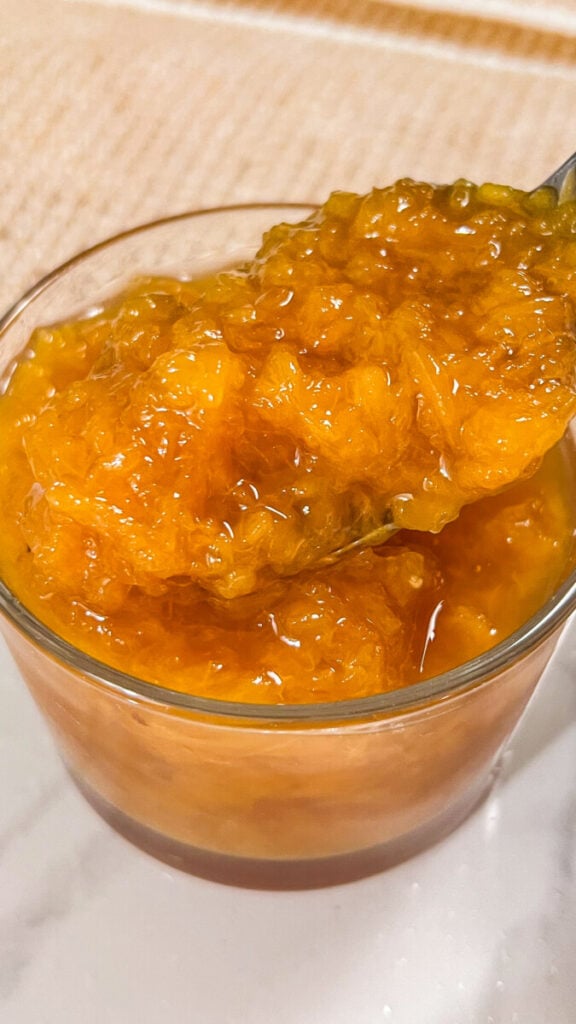
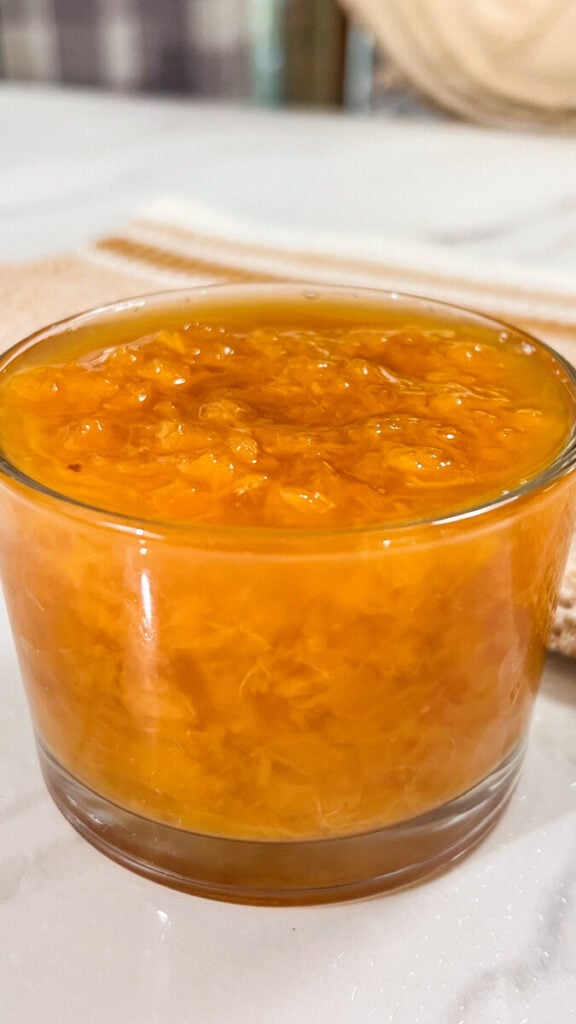
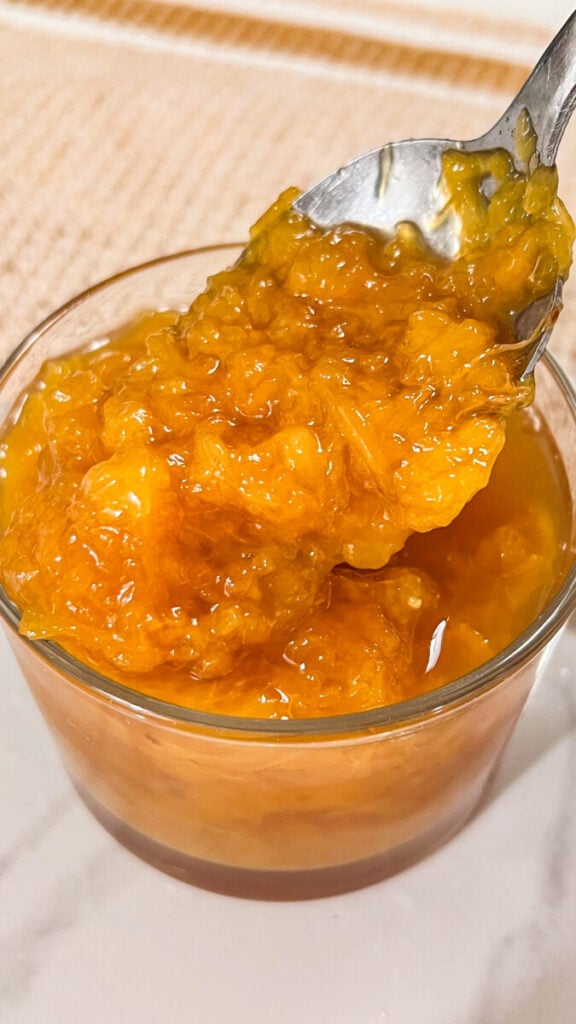
This homemade Apricot Jam is sweet, bright, and bursting with fresh apricot flavor. Made with ripe apricots, sugar, lemon juice, and pectin, it’s a simple homemade jam that’s perfect for spreading on warm biscuits, toast, English muffins, scones, and homemade bread.
Apricot jam is one of those classic fruit preserves that tastes like sunshine in a jar. Fresh apricots have a wonderful balance of sweetness and tartness, and cooking them into jam intensifies their flavor while creating a beautiful golden-orange color.
Make a batch during apricot season and keep a jar in the refrigerator for breakfast, baking, desserts, and snacks.
Why You’ll Love This Homemade Apricot Jam
Homemade jam doesn’t have to be complicated. This easy apricot jam comes together on the stovetop with just a handful of ingredients.
You’ll love this recipe because it’s:
- Made with fresh apricots
- Sweet with a slightly tart fruit flavor
- Easy to prepare on the stovetop
- Delicious for breakfast and brunch
- Perfect for baking
- Beautiful for homemade food gifts
- A great way to use ripe summer apricots
Ingredients
- 4 cups finely chopped fresh apricots, pits removed
- 1/4 cup fresh lemon juice
- 1 package (1.75 ounces) powdered fruit pectin
- 5 cups granulated sugar
- 1 tablespoon butter, optional
What Apricots Are Best for Jam?
Choose ripe, flavorful apricots that are fragrant and give slightly when gently pressed.
You want fruit that’s ripe enough to have plenty of flavor but not so soft that it’s beginning to spoil.
Fresh apricots can vary considerably in sweetness. That’s one reason lemon juice works so well in apricot jam—it adds brightness and balances the sweetness of the sugar.
Do You Have to Peel Apricots for Jam?
No. There’s no need to peel apricots before making homemade jam.
Apricot skins are thin and soften as the fruit cooks. Leaving the skins on also helps preserve the beautiful color and saves a lot of preparation time.
Simply wash the apricots thoroughly, slice them in half, remove the pits, and finely chop the fruit.
How to Make Homemade Apricot Jam
Wash the apricots thoroughly.
Cut each apricot in half, remove the pit, and finely chop the fruit.
Measure 4 cups of prepared apricots and place them in a large, heavy-bottomed saucepan.
Add the fresh lemon juice and powdered pectin.
Stir everything together until the pectin is well distributed.
Place the saucepan over medium-high heat and bring the mixture to a full rolling boil, stirring frequently.
A full rolling boil is a vigorous boil that continues even while you’re stirring.
Once the fruit mixture reaches a full rolling boil, add the sugar all at once.
Stir constantly until the sugar has dissolved.
Return the mixture to a full rolling boil.
Boil hard for 1 minute, stirring constantly to prevent scorching.
Remove the saucepan from the heat.
Skim away any foam that has formed on the surface. Adding a tablespoon of butter during cooking can also help reduce foaming.
Carefully ladle the hot jam into clean jars.
Allow the jam to cool before covering and refrigerating.
The jam will continue to thicken as it cools.
How Do You Know When Apricot Jam Is Done?
When you’re using traditional powdered pectin, following the recommended boiling time is important.
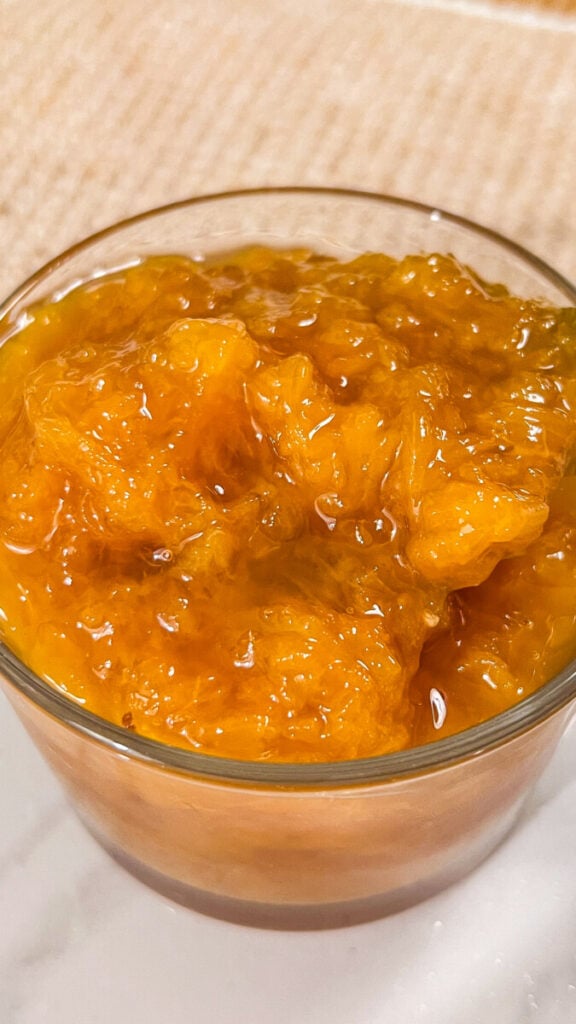
The jam will still look relatively thin when it’s hot. Don’t continue cooking simply because it doesn’t look like refrigerated jam yet.
It will thicken considerably as it cools and the pectin sets.
You can also place a small spoonful of jam on a chilled plate and let it cool briefly. Gently push it with your finger. If the surface begins to wrinkle and the jam doesn’t immediately run back together, it’s beginning to set.
Why Add Lemon Juice to Apricot Jam?
Lemon juice does several things in homemade jam.
It brightens the natural flavor of the apricots, balances the sweetness, and provides acidity that helps pectin form a proper gel.
For this reason, don’t simply leave the lemon juice out of the recipe.
What Does Pectin Do in Jam?
Pectin helps fruit preserves develop their familiar spreadable texture.
Some fruits naturally contain more pectin than others. Using commercial pectin makes the setting process more predictable and also allows the fruit to cook for a shorter amount of time, helping preserve its fresh flavor.
Different brands and types of pectin can require different amounts of sugar and slightly different cooking methods, so always check the directions on your specific package.
Can I Make Apricot Jam Without Pectin?
Apricot jam can be made without commercial pectin, but it requires a different recipe and cooking method.
A no-pectin jam generally relies on longer cooking to evaporate moisture and concentrate the fruit until it reaches the desired consistency.
If you’d like to make jam without pectin, use a recipe specifically developed for that method rather than simply omitting the pectin from this one.
Can I Use Frozen Apricots?
Yes. Frozen apricots are a good alternative when fresh apricots aren’t available.
Thaw the fruit before measuring it for this recipe.
Frozen fruit releases additional liquid as it thaws, so follow the directions for your particular pectin and measure the prepared fruit carefully.
Ways to Use Homemade Apricot Jam
There are so many delicious ways to use apricot jam beyond spreading it on toast.
Try it with:
- Homemade biscuits
- Toast
- English muffins
- Croissants
- Scones
- Muffins
- Pancakes
- Waffles
- Yogurt
- Oatmeal
- Cheesecake
- Pound cake
- Vanilla ice cream
- Thumbprint cookies
- Linzer cookies
- Baked brie
Apricot jam also makes a wonderful glaze for cakes, pastries, chicken, and ham.
Apricot Jam Thumbprint Cookies
One of my favorite ways to use homemade apricot jam is in thumbprint cookies.
Make a buttery cookie dough, form it into small balls, create an indentation in the center, and add a spoonful of apricot jam.
The bright golden filling makes beautiful cookies for Christmas cookie trays, Easter, showers, afternoon tea, or everyday baking.
Apricot Jam for Baking
Apricot jam is especially useful to keep in the refrigerator if you love to bake.
Warm a small amount until it becomes more fluid and brush it over fruit tarts for a beautiful glossy finish.
You can also use apricot jam between cake layers, swirl it into cheesecake, add it to pastry fillings, or spoon it into homemade bars.
How to Store Homemade Apricot Jam
For refrigerator storage, transfer the finished jam into clean jars and allow it to cool.
Cover tightly and refrigerate.
For best quality, use refrigerated homemade jam within about 3 weeks.
Always use a clean spoon when serving the jam and discard it if you notice mold, fermentation, unusual bubbling, or an off odor.
Can You Freeze Apricot Jam?
Yes. Homemade apricot jam can be frozen.
Transfer the cooled jam to freezer-safe containers, leaving approximately 1/2 inch of space at the top to allow for expansion.
Freeze for up to 6 months for the best quality.
Thaw frozen jam overnight in the refrigerator before using.
Can You Can Homemade Apricot Jam?
If you want shelf-stable apricot jam, use tested boiling-water canning instructions from a trusted home-canning authority or the exact processing directions supplied with your pectin.
The correct processing method and time depend on factors such as the recipe, jar size, and elevation.
Don’t assume that a refrigerator jam recipe can simply be placed in jars and stored at room temperature without proper processing.
Tips for the Best Apricot Jam
Measure your prepared fruit carefully. The ratio of fruit, sugar, acid, and pectin is important for achieving the right consistency.
Have all of your ingredients measured before you begin cooking. Once the fruit reaches a boil, the process moves quickly.
Use a large saucepan. Jam bubbles and expands considerably when it reaches a full rolling boil.
Don’t reduce the sugar when using traditional pectin unless your pectin specifically says it’s formulated for low-sugar recipes.
Don’t overcook the jam trying to make it look thick in the saucepan. It will thicken as it cools.
Recipe Notes
There’s no need to peel the apricots before making the jam.
The jam will look thinner while it’s hot and will continue to set as it cools.
Different brands of powdered pectin may have different directions and fruit-to-sugar ratios. If the instructions for your particular pectin differ from this recipe, follow the manufacturer’s directions.
The optional butter helps reduce foam but isn’t necessary for the jam to set.
This recipe is written for refrigerator storage. If you want shelf-stable jars, follow a tested apricot jam canning recipe and the appropriate processing time for your elevation.
Easy Homemade Apricot Jam
There’s something special about opening a jar of homemade fruit jam and spreading it over a warm biscuit or slice of buttered toast.
This easy Apricot Jam captures the sweet-tart flavor of fresh apricots in a beautiful golden spread that’s just as useful for baking as it is for breakfast.
Make it when fresh apricots are at their best, keep a jar in the refrigerator, and you’ll have an easy way to add bright apricot flavor to everything from morning toast to homemade desserts.